👑 Full Stories
The whole story behind the royal headlines.
Andrew Mountbatten-Windsor could face legal demand to testify in US about friendship with Epstein
Just when the Duke of York seemed to have slipped into the background, his name is threatening to roar back into the spotlight. According to reports from the United States, Andrew Mountbatten-Windsor could face a legal demand to give evidence about his long-scrutinised friendship with Jeffrey Epstein if political pressure gathers pace after the Midterms. It is the sort of prospect that will send a chill through royal circles. The former Prince has repeatedly denied any wrongdoing, yet the mere suggestion that he could be compelled to speak under oath in America is enough to revive one of the monarchy’s darkest modern headaches. For years, Andrew’s association with Epstein has shadowed both his public role and his private standing within the family. What began as deeply uncomfortable questions over social ties and judgment spiralled into a reputational crisis that ultimately saw him step back from official duties and retreat from frontline royal life. Now, according to political chatter in Washington, Democrats are said to be keen to keep digging into the Epstein files and pursue every possible avenue of scrutiny. Insiders claim that if momentum builds, figures linked in any meaningful way to Epstein’s orbit could be asked to account for what they knew, when they knew it and how close those links truly were. That does not mean a courtroom showdown is inevitable. Legal experts and palace watchers alike would likely say there are many hurdles between political rhetoric and any formal demand to testify. But the fact Andrew’s name is once again being discussed in that context is, in itself, a fresh blow. Royal history only makes the story more combustible. Andrew was once seen as the late Queen’s favourite, the dashing second son with naval credentials, royal swagger and a prominent place on the world stage. In the years since, his fall has been one of the most dramatic reversals in House of Windsor memory, from state banquets and balcony appearances to a far more secluded existence. The family’s strategy has appeared, at least outwardly, to be one of distance and containment. Since the accession of King Charles, there has been intense interest in how firmly the monarchy intends to draw the line under the Andrew saga. Every fresh report, rumour and legal twist makes that task harder. There is also the brutal reality of public perception. For many royal fans, the issue is no longer about whether Andrew can rehabilitate his image, but whether the institution can ever fully move on while his name keeps resurfacing. Critics believe any new US process would reopen painful questions the Palace would much rather leave buried. Supporters of the Duke, meanwhile, may argue that speculation should not be mistaken for guilt and that he has consistently denied wrongdoing. They are likely to say that being linked to an investigation, or even asked to assist one, is not the same as being found liable for any criminal act. In a case so loaded with emotion and notoriety, that distinction matters. Still, the politics are potentially explosive. If US lawmakers and investigators continue to probe the Epstein network with renewed energy, the pressure on anyone associated with him could intensify fast. For Andrew, who has spent years trying to keep a low profile, the danger is that transatlantic legal attention could drag him back into a storm he has never truly escaped. And for the royals, there is a bigger question humming beneath the gossip and the headlines. How many more times can the monarchy absorb the shock of Andrew-related revelations before the damage spreads beyond one disgraced Duke and once again touches the Crown itself? Do you think Andrew should be required to testify if US authorities come calling, or has the royal family already paid enough of a price for this scandal?
19 Oct 2026
Harry and Meghan also unhappy being called 'former royals'
Just when you thought the row over titles, status and royal labels had finally gone quiet, another phrase has reportedly hit a nerve. According to reports, Prince Harry and Meghan are less than thrilled about being referred to as “former royals” — a description that, to many readers, sounds neat and simple, but to Sussex watchers is anything but. It is easy to see why the wording would sting. Harry was born into the Royal Family, remains the King’s son and still holds a place in the line of succession. Meghan, meanwhile, married into the institution and keeps her duchess title, even after the couple stepped back from official duties and built a very different life across the Atlantic. That, of course, is where the confusion begins. They are no longer working royals, a distinction that has mattered enormously since their dramatic exit from frontline royal life. But “former royals” suggests something more final, almost as if a lifetime of history, hierarchy and family ties can be wiped away with a convenient label. Royal followers have long argued over the right language. Some insist the term is fair because Harry and Meghan no longer carry out official engagements on behalf of the Crown. Others believe it is misleading, pointing out that bloodline, marriage and title are not things one simply hands back like a borrowed hat after Ascot. The sensitivity around wording is hardly new. Ever since the Sussexes stepped back, nearly every public description attached to them has carried political weight. “Exiled royals”, “California royals”, “royals-in-name-only” and “private citizens” have all done the rounds in commentary, each one signalling a different view of whether the couple left the Firm, were pushed to the margins, or are still deeply bound to it despite the distance. According to palace watchers, this latest irritation taps into a much bigger struggle over identity. Harry and Meghan have spent years trying to shape a post-palace role that blends philanthropy, media influence and carefully managed independence. Yet every fresh label seems to pull them back into the same old argument: how royal are they allowed to be, and who gets to decide? There is also the matter of public perception. For critics, “former royals” may feel like a tidy way of acknowledging that the couple no longer represent the monarchy in an official capacity. For supporters, it can sound dismissive, even provocative, as though their story began and ended with a family fallout rather than a complicated constitutional and personal rupture. Some fans believe the phrase particularly jars because Harry has never truly left the royal world behind, however much his life has changed. His military past, his royal upbringing and his continuing family connection keep him permanently tied to the House of Windsor. Meghan too, despite the fierce commentary surrounding her, remains linked to one of the most famous institutions on earth whether she embraces the spotlight or not. The wider royal household is unlikely to welcome yet another debate over semantics, especially at a time when the monarchy is trying to project stability, duty and a sense of calm continuity. But words matter in royal life more than almost anywhere else. Titles, styles and descriptions are never just decorative; they signal rank, favour, distance and belonging. If reports are correct, the couple’s unhappiness over the label may seem minor on the surface, but it hints at a much larger unresolved question. Can Harry and Meghan ever truly define themselves outside the royal machine when the world insists on viewing them through it? Or are they destined to remain caught between two identities — not fully inside, not fully out? And for the public, the fascination shows no sign of fading. Whether one sees them as independent global figures, estranged family members, or still unmistakably royal, the battle over what to call Harry and Meghan says a great deal about how their story is still being written. So what do you think — is “former royals” an accurate description, or does it go too far when Harry and Meghan are still, in so many ways, part of the royal picture?
18 Oct 2026
Harry & Meghan are in race against time to heal rift and meet King Charles – one royal holds the golden key
For all the talk of distance, damaged trust and California cool, the clock may now be ticking louder than ever for Prince Harry and Meghan. According to reports, there is a narrowing window for the Sussexes to repair relations and arrange a long-awaited meeting with King Charles — and one senior royal is said to hold the golden key. The emotional pull is obvious. The King is believed to want precious time with his grandchildren, Prince Archie and Princess Lilibet, and royal watchers have long said that family, not pomp, may be the strongest bridge left between father and son. Harry has made clear in recent months how much being a parent means to him, so insiders claim he understands exactly why a grandfather would want those moments while he can. The timing has set tongues wagging. With the children off school for half-term, this period is being seen by some as one of the most practical opportunities for any transatlantic visit before the Christmas rush takes over. If there is to be a thaw, fans believe it may need to happen soon — and quietly. Of course, nothing is ever simple when it comes to this royal rift. The fallout from interviews, a tell-all memoir and years of public tension has left scars on both sides. Trust, once cracked, is notoriously hard to restore, and every move involving Harry and Meghan now arrives wrapped in speculation over motives, optics and who blinked first. That is where the so-called golden key comes in. According to royal insiders, Princess Eugenie may once again be the family figure most capable of opening a door that has seemed firmly shut. She has long been viewed as one of the few royals able to move between both camps with relative ease, maintaining affection for Harry while staying inside the wider royal fold. Eugenie’s role has fascinated royal followers for years. She and Harry were known to share a warm bond long before the drama exploded into the open, and she has often been seen as a softer line of communication when official channels feel frozen. No one is suggesting she can magic away years of hurt, but in families, one trusted relative can sometimes achieve what formal aides and carefully managed messages cannot. There are, naturally, complications. Any reunion would have to navigate diary pressures, security concerns, family sensitivities and the ever-present fear of leaks. Even if all parties wanted a meeting, the mechanics alone would be delicate — especially if the aim is a genuinely private family moment rather than another global spectacle. Still, the symbolism would be enormous. A meeting between the King and the Sussex children would not erase the past, but it could mark the beginning of a more human chapter after years of headlines dominated by bitterness. For Charles, it would be about grandfatherly connection. For Harry, it could be a step towards showing that reconciliation, however limited, is still possible. Meghan’s part in all this remains the subject of heavy rumour. Some watchers think she would support a healing moment for the sake of the children, while others suspect old wounds and concerns about how any visit would be interpreted could make matters far more complicated. As ever, much depends on what happens behind palace gates rather than in front of cameras. What seems clear is that time matters. Royal calendars fill fast, emotions can harden and opportunities have a habit of slipping away. If there is to be a reunion before the festive season, it may depend less on grand statements and more on one discreet peacemaker helping both sides take a small, difficult step. Could Princess Eugenie be the royal link strong enough to bring Harry, Meghan and the King together at last — or has this family divide gone too deep to mend before Christmas?
18 Oct 2026
"10 Best Books About Princess Diana" I found myself going down a Princess Diana rabbit hole this week and realised there are dozens of books about her life. Which is the best one you've read?
One minute you are looking up a royal anecdote, and the next you are deep in a Princess Diana rabbit hole, surrounded by biographies, memoirs and glossy palace tell-alls. It happens to the best of us. Diana remains one of the most written-about women in modern royal history, and the sheer number of books about her can feel almost as overwhelming as the fascination that still surrounds her. That is because Diana was never just a princess in a tiara. She was a global celebrity, a royal rebel, a style icon and, according to many who followed her story, the emotional centre of a monarchy struggling to keep pace with a changing world. Decades on, readers are still trying to understand the woman behind the headlines. If you are wondering where to start, there are a few titles that royal watchers mention again and again. Andrew Morton’s Diana: Her True Story is often the first name in the conversation. It has become almost legendary because of its explosive impact at the time, with generations of readers seeing it as the book that shattered the polished fairy-tale image and exposed the strain behind palace walls. Then there is Tina Brown’s The Diana Chronicles, which many royal fans consider one of the most compelling wider portraits. It is less a single-note tragedy and more a sweeping study of Diana’s charisma, vulnerabilities and extraordinary hold over the public imagination. For readers who want context around the royal machine as well as Diana herself, this is often high on the list. Sally Bedell Smith’s Diana in Search of Herself also gets recommended by those who prefer a more measured approach. Fans believe it offers a thoughtful look at the contradictions in Diana’s life, balancing the glamour with the loneliness and pressure that reportedly shaped her. It is often described as less sensational and more reflective. For readers interested in the marriage at the centre of so much royal drama, books by royal correspondents and biographers about Charles and Diana still draw attention. Some focus more heavily on the institution, others on the emotional fallout. Depending on your mood, that can either deepen your understanding or leave you needing a lie-down and a strong cup of tea. And then there are the more intimate titles, including books by people who crossed paths with Diana socially, professionally or within palace circles. These can be fascinating, though readers tend to approach them with a slightly raised eyebrow. As ever with royal books, the line between insight, agenda and old-fashioned score-settling can be very thin indeed. Part of what makes the Diana bookshelf so irresistible is that every author seems to be chasing a different version of her. There is Diana the shy nursery assistant turned princess, Diana the neglected wife, Diana the media mastermind, Diana the devoted mother, Diana the humanitarian figure and Diana the wounded outsider. None of these portraits feels complete on its own, which is probably why people keep reading. Royal history only adds to the pull. Diana entered the House of Windsor at a moment when tradition still ruled, yet her popularity reportedly transformed expectations of what a modern princess should be. Many fans believe her legacy can still be seen in the monarchy’s softer public image today, from greater emotional openness to a stronger focus on charitable work. That is also why these books continue to spark such fierce reactions. Some readers want a sympathetic portrait of a woman under unbearable pressure. Others prefer accounts that place her flaws alongside her gifts. And some simply want the most gripping page-turner, the one that captures the intoxicating mix of palace grandeur, tabloid frenzy and private heartbreak. The truth is, the best Diana book probably depends on what you are searching for. If you want the bombshell, many still point to Morton. If you want rich context and a broader canvas, Tina Brown is often the favourite. If you want something more analytical, Sally Bedell Smith has plenty of admirers. But perhaps the real reason these books endure is that Diana still feels unresolved. She is one of those rare royal figures who remains both overexposed and elusive, endlessly familiar yet impossible to pin down. And that, of course, is exactly the sort of mystery that keeps readers turning pages. So tell us: which Princess Diana book do you think is the best, and which one sent you deepest into the royal rabbit hole?
17 Oct 2026
Police feared King could step in to halt raid on Andrew Mountbatten-Windsor's homes, legal documents reveal
Just when you thought the Andrew saga could not feel any more extraordinary, a fresh twist has landed straight from the legal files. According to reports, police privately feared King Charles might be asked to intervene and stop raids on the homes of his brother, Andrew Mountbatten-Windsor, if officers moved in. It is the sort of behind-palace-gates anxiety that tells you everything about how combustible this royal drama had become. The claims emerge from legal documents said to have been obtained by the Daily Mail, and they paint a picture of nerves at the highest level. Far from being a routine law-enforcement operation, the proposed swoops were reportedly viewed through the prism of monarchy, family loyalty and constitutional sensitivity. In other words, this was never just about addresses and warrants. Andrew has long been the royal name that refuses to drift quietly out of the headlines. From his dramatic fall from public grace to the stripping back of official duties and status, the Duke of York’s troubles have cast a long shadow over the House of Windsor. Even after being pushed from the frontline, his presence has continued to generate awkward questions for the Firm. That is why these newly revealed concerns are so arresting. According to reports, officers worried that if searches of Andrew’s properties went ahead, pressure could build for the King to somehow bring matters to a halt. Whether that fear was realistic or simply a sign of how delicate the situation appeared, it underlines just how carefully every move involving the royals has to be weighed. Of course, there is a crucial distinction between private worry and public reality. There is no suggestion in these reports that the King did step in, or that any intervention was actually made. But the fact that police were apparently discussing the possibility at all is enough to send royal watchers into overdrive. It also opens up a deeper question about the monarchy’s modern balancing act. Charles has spent years trying to project a leaner, steadier and more duty-focused Crown after the turbulence of recent times. Any hint that he could be drawn into legal controversy surrounding his brother would risk undermining that careful image, even if only by association. Royal history is littered with moments when private family mess collides with public institution. The Windsors know better than most that scandal rarely stays neatly contained behind high gates and clipped hedges. Once legal papers, police concerns and royal names start appearing in the same sentence, the fallout can travel far beyond the palace walls. Unsurprisingly, reaction has been swift. Some royal fans believe the revelations show just how determined police were to avoid even the perception of deference. Others think the documents simply expose the extraordinary complications that come with investigating anyone tied so closely to the sovereign. And, as ever, Andrew’s critics say the story is another reminder of how damaging his continued presence has been for the monarchy. There will also be those asking what this means for Andrew’s future place, if any, within royal life. While he has already been largely sidelined, stories like this keep dragging him back into the spotlight and, with him, the institution he was born into. For Charles, that is the real headache: every new disclosure risks reopening old wounds just as the Palace tries to look forward. The most intriguing part of all may be what these documents reveal about mood rather than action. Fear, hesitation and sensitivity are not the language of a family matter kept neatly under control. They suggest a system acutely aware that one wrong move could ignite a constitutional, political and public relations storm. So was this simply prudent policing around a uniquely delicate target, or another sign of how entangled royal power and royal scandal can become when crisis hits? And do you think the King should ever be in a position where people even imagine he could halt such action on behalf of his brother?
17 Oct 2026
Thank heavens Meghan is back. She's not perfect but her return has proved she brings something to the Royal Family that's been missing in recent years - and the other royals should take notes: i
For all the sighing, eye-rolling and pearl-clutching that still follows Meghan wherever she goes, one thing has become harder to deny: when she is in the royal conversation, the whole institution suddenly feels more alive. Love her or loathe her, the Duchess of Sussex brings spark, jeopardy and a sense of modern possibility that has been missing from the family’s carefully managed public picture for years. That is why her return to the headlines has landed with such force. Not because everyone has forgiven the past, and certainly not because the old arguments have vanished, but because Meghan has always had a quality the monarchy struggles to manufacture on its own: she generates interest that feels global, emotional and current. For a family built on tradition, ritual and hierarchy, that matters more than courtiers may like to admit. The Royal Family has long relied on a delicate balance between continuity and charisma. The late Queen embodied duty so completely that she barely needed theatre. Diana, Princess of Wales, brought the electricity. Catherine has elegance. William projects steadiness. Anne offers grit. But Meghan introduced something else altogether: disruption with glamour. From the beginning, she represented a change of pace. Here was an American actress, divorced, outspoken and at ease in front of a camera, arriving in one of the world’s oldest institutions with a confidence that many royal women before her were never allowed to show. According to reports, that energy unsettled some parts of the palace machine almost immediately. To others, especially younger fans, it felt like fresh air. That is why this latest wave of Meghan fascination says so much. Even after the family rupture, the interviews, the recriminations and the years of frosty distance, she still cuts through in a way few working royals now do. A photograph, an appearance, a rumoured project or even a whisper of contact with Britain can dominate the royal agenda for days. And that points to an uncomfortable truth for the House of Windsor. For all its grandeur, it has looked increasingly cautious in recent years. The bench is thinner, the mood is more solemn and public engagements can sometimes feel worthy rather than compelling. There is respect, yes, but not always excitement. Meghan’s presence, even from afar, reminds everyone that the monarchy works best when it connects emotionally, not just ceremonially. Fans believe she understands the language of modern celebrity better than almost anyone in the royal orbit. She knows that visibility now is not simply about being seen on a balcony. It is about narrative, identity and making people feel they have a stake in the story. None of this means she is flawless. Far from it. Critics still argue that she and Harry helped deepen the family crisis and turned private grievances into a very public industry. Others think her style can look too polished, too Californian, too curated for a British institution that prefers understatement. Those complaints have not gone away. But perhaps that is precisely the point. Meghan evokes feeling. She provokes reaction. She forces the monarchy to confront questions it would often rather avoid: who is included, who gets protected, who gets blamed and what relevance really looks like in the 21st century. The other royals should be paying attention. Not because they need to copy her exactly, and certainly not because palace life can ever operate like a celebrity brand, but because she exposed a hunger for authenticity, emotional candour and a more contemporary kind of royal presence. Even those who disapprove of her methods cannot deny the scale of interest she commands. Insiders claim there is still deep caution around any idea of reconciliation, and few would expect a smooth reset any time soon. Yet the fascination around Meghan’s return to the wider royal narrative suggests something bigger than one duchess or one feud. It suggests the public is still searching for personality, warmth and unpredictability in a royal world that too often feels scripted. Perhaps that is Meghan’s strange royal gift. She does not make the monarchy feel comfortable. She makes it feel alive. And in an age when attention is everything, that may be more valuable than anyone inside the palace would care to admit. So, is Meghan exactly the jolt the Royal Family still needs, or has her return simply reopened old wounds that should have stayed buried?
16 Oct 2026
DESPITE much speculation Meghan Markle would join the star-studded cast of The Gentleman, the Duchess of Sussex is now officially out of the running for the acting gig. The Sun understands that behind
Just when the rumour mill was threatening to go into overdrive, the latest twist has landed. Despite feverish speculation that Meghan Markle could be heading back to the screen in Guy Ritchie’s glossy crime world, reports now suggest the Duchess of Sussex is firmly out of the running. For weeks, fans and watchers alike had been whispering about a possible acting comeback. With Hollywood contacts, streaming links and her pre-royal television career still impossible to ignore, Meghan’s name quickly became attached to chatter around The Gentlemen and its expanding star power. But according to reports, the idea has now fizzled behind the scenes. Insiders are said to believe that while the rumour generated plenty of buzz, a return to a major ensemble drama was never as close as some had hoped. It is, of course, the sort of story that catches fire in an instant. Meghan’s acting past, most famously tied to Suits, continues to shadow every move she makes, especially when any new entertainment project emerges in California or London. Since stepping back from frontline royal life with Prince Harry, the Duchess has carefully reshaped her public image. There have been documentaries, podcast ventures, lifestyle conversations and ongoing speculation about future media projects, all of which have kept her firmly in the spotlight even when official announcements have been thin on the ground. That is precisely why this latest development has sparked such fascination. To some royal watchers, an acting role in a hit franchise-style drama would have marked a striking full-circle moment, taking Meghan from palace corridors back to red carpets and studio sets. Others, however, were always sceptical. According to some commentators, such a move might have clashed with the more curated, business-minded direction she and Harry appear to have pursued in recent years. The Sussex brand, as many see it, has increasingly leaned into prestige projects, philanthropy, advocacy and selective storytelling rather than a straightforward return to scripted television. There is also the unavoidable royal dimension. Meghan cannot make even the faintest career move without it being interpreted through the lens of the monarchy, family tensions and public image. A part in a brash, stylish British crime drama would have delighted some viewers, but others believe it would have reopened old arguments about status, ambition and celebrity. Social media reaction has been predictably split. Some fans seem disappointed that the duchess will not be stepping into such a high-profile role, arguing that she has every right to revisit the career she left behind. Others think the whole idea was unlikely from the beginning and say the speculation says more about public fascination with Meghan than it does about any real casting process. Meanwhile, royal gossip circles are already asking what this means for her next move. If acting is not on the cards right now, attention will swing back to whether Meghan’s future lies in lifestyle media, producing, publishing or another carefully packaged personal venture. Every near-miss only seems to sharpen interest in where she will pop up next. There is a wider point here too. Meghan remains one of the few modern royals, former working royal or otherwise, whose career possibilities still feel almost limitless. That flexibility keeps her relevant, but it also ensures that every rumour becomes a mini global event before the dust has even settled. For Buckingham Palace traditionalists, the episode may be another reminder of just how far the Sussex story has drifted from conventional royal life. For Meghan’s supporters, it may simply be a case of a woman being linked to a role because she is famous, talented and endlessly talked about. Either way, the fascination is not going away. Even when a rumoured role falls apart, Meghan manages to dominate the headlines without ever saying a word. So was this a missed opportunity for a glamorous screen comeback, or were the whispers around The Gentlemen always more fantasy than fact?
16 Oct 2026
Why Harry and Meghan's UK relaunch felt so much like a royal engagement-Are They Gradually Sneaking Back To Royal Status
For a couple who insisted they were building a life beyond the Palace gates, Harry and Meghan’s latest UK-facing moment had an awfully familiar ring to it. The polished imagery, the carefully managed appearances and that unmistakable sense of ceremony left plenty of royal watchers doing a double take. Was this simply good branding, or did it feel suspiciously like the opening beats of a royal engagement? That is the question now swirling around the Duke and Duchess of Sussex after what many fans believe was a notably regal relaunch in Britain. According to reports, the tone was less Hollywood reinvention and more Windsor-lite: poised, symbolic and steeped in the visual language the monarchy has perfected for generations. It is, of course, what Harry knows best. He was raised inside the machinery of royal public life, where every walkabout, handshake and carefully chosen outfit carries a message. Meghan, meanwhile, may have arrived as an outsider, but during her brief period as a working royal she proved she understood the theatre of monarchy very quickly indeed. That is why this latest shift has prompted so much chatter. Even people who support the couple’s move away from official duties have noted the familiar ingredients: a sense of duty, a controlled public-facing narrative and an emphasis on causes wrapped in grandeur. It did not scream exile. It whispered return. The irony is impossible to miss. Since stepping back, Harry and Meghan have repeatedly framed their future as one shaped by independence rather than institution. Yet the closer their public image edges towards royal style, the louder the speculation becomes that they are still drawn to the power, prestige and emotional pull of the world they left behind. Some observers believe this is less about sneaking back into formal royal status and more about reclaiming the parts of it that worked in their favour. The ceremonial polish, the sense of importance, the philanthropic spotlight and the aura of public service all travel well, even outside palace walls. In that reading, this is not a return to the Firm, but a Sussex version of monarchy without the constitutional strings attached. Still, others are not convinced it is that simple. Insiders have long claimed Harry remains emotionally tied to his home country and to the role he once occupied within the royal family. Reports of strained relations with senior royals have never fully killed off the idea that some sort of softer, symbolic reconnection could one day be possible, particularly if public mood changes or family dynamics thaw. There is also the matter of timing. With the monarchy continuing to navigate a modernising era, every move by estranged members takes on extra significance. Harry and Meghan know better than anyone that royal relevance is built not only on titles, but on presence. If they can recreate the feeling of a royal engagement without the official framework, they remain in the conversation whether the Palace likes it or not. Reaction has been sharply divided, just as it so often is with the Sussexes. Admirers see a couple stepping confidently into a more mature, purposeful chapter, using the tools they have to champion the causes they care about. Critics, meanwhile, argue that if you reject royal life while continuing to borrow its mystique, people are bound to raise an eyebrow. And perhaps that is why this moment landed so strongly. It tapped into something unresolved at the heart of the Harry and Meghan saga. They may have left the working monarchy, but they have never entirely escaped the royal orbit — and, some would argue, they have never truly wanted to. So was this simply a sleek UK relaunch, or a carefully judged reminder that royal status is not so easily shed? And if Harry and Meghan are gradually edging back towards a more royal-looking role, would the public welcome it — or see it as the return of a drama they thought had already left the stage?
16 Oct 2026
Inside 'pathetic' new strategy to make William and Kate less 'elitist': Less polo, no more champagne at Ascot... and why I fear Harry could take advantage: Royal sources reveal plans to RICHARD EDEN
There is nothing the Palace fears more than the E-word: elitist. And according to reports, that is exactly the image aides are now desperate to soften around the Prince and Princess of Wales, with a fresh strategy said to focus on stripping away some of the flashiest aristocratic signals that have long clung to royal life. Insiders claim the thinking is simple. Less polo. Less obvious upper-crust pageantry. Fewer moments that scream privilege at a time when households across Britain are watching every penny. And, in the sort of detail that instantly sets royal watchers talking, there is said to be sensitivity around the optics of champagne-soaked scenes at Ascot too. It is a striking shift, not least because William and Kate have often been seen as the monarchy’s safest bet: glamorous but disciplined, traditional yet relatable. Even so, reports suggest there is growing awareness behind the scenes that the couple can look a touch too polished, too country-house, too perfectly turned out for an age that prizes authenticity over inherited grandeur. That does not mean they are about to become anti-royal royals. Far from it. The crown still trades on mystique, ceremony and spectacle. But those close to the institution are said to believe there is a line between splendour and social distance, and that line may need redrawing if the Waleses are to remain firmly connected to a younger, broader Britain. Horse racing is a perfect example of the problem. It has deep royal roots and irresistible visual glamour, but it can also look like a members-only world of fascinators, hospitality tents and old-money codes. Queen Elizabeth adored it, of course, and followed bloodlines and form with a passion that surprised many who underestimated just how knowledgeable she was. Prince Philip, by contrast, was said to find it rather dull; though he accompanied the late Queen to race meetings, he was reportedly just as happy watching the cricket on television instead. That contrast says a great deal about royal survival. Even the most traditional family in Britain has always had to balance duty with personality, public image with private preference. The latest reports suggest William and Kate are trying to do the same, shaping an approach that looks less like a stately tableau and more like a modern family aware of the national mood. Yet there is an obvious risk. If they pull too far back from the classic royal pursuits, some loyalists may wonder what exactly is left of the old magic. Polo fields, racecourses and country rituals may not be universally loved, but they have long formed part of the texture of royal Britain. Remove too much, and the monarchy could start to look oddly cautious, even uncertain of itself. And then there is Harry. Because if William and Kate are indeed trying to appear less rarefied, fans believe the Duke of Sussex could seize on any wobble in the branding war. He has built much of his post-royal identity around attacking hierarchy, privilege and image management. If the Waleses are seen to be awkwardly sanding off their poshest edges, critics may ask whether Harry’s complaints have forced the institution into a defensive crouch. That would be deeply uncomfortable for the Palace, which would hate to give even the faint impression that it is reacting to Montecito rather than leading from Windsor. Still, royal history shows that perception matters as much as reality. A changed guest list here, a lower-key outing there, a little less fizz in public view, and suddenly a whole new narrative takes hold. For now, these remain reports and whispers rather than a formal blueprint. But they fit a broader pattern: a monarchy trying to stay majestic without seeming remote, privileged without appearing pampered, grand without drifting into parody. The real question is whether the public actually wants William and Kate to be less elitist, or whether a certain amount of royal glitter is precisely the point. Should the Waleses ditch the polo-and-champagne image, or would that only make the monarchy feel less special?
16 Oct 2026
Meghan Markle's very awkward mistake with Andrew Mountbatten-Windsor
In royal circles, names are never just names — and that is why one reported Meghan Markle slip-up has set tongues wagging all over again. According to reports, the Duchess of Sussex is said to have referred to Andrew Mountbatten-Windsor in a way that left some royal watchers cringing, reopening one of the most awkward habits in aristocratic life: knowing exactly who is called what, and when. The alleged mistake centres on Prince Andrew’s surname, or rather the use of it at all. To most of the world he is simply Prince Andrew, Duke of York, and within senior royal life surnames are often beside the point. But “Mountbatten-Windsor” is the family name used by descendants of Queen Elizabeth II and Prince Philip in certain formal situations, and according to chatter surrounding the incident, Meghan’s use of it in connection with Andrew struck some as jarring, overly American, or simply out of step with palace custom. On paper, it may sound tiny. In practice, royal protocol is built on these tiny distinctions, and the House of Windsor has always been sensitive to titles, forms of address and status. For a family that has spent generations balancing public ceremony with private hierarchy, getting a name wrong can be seen by traditionalists as more than a harmless social stumble. That, of course, is why the story has travelled so fast. Meghan has long been painted by critics as someone who struggled to fit into the centuries-old machinery of monarchy, while supporters insist she was expected to absorb impossibly coded rules with little room for error. This latest awkward moment, as fans and detractors alike have framed it, fits neatly into that wider argument. There is also the Andrew factor, which makes any mention of him instantly more loaded. Prince Andrew has remained one of the most controversial figures connected to the Royal Family, and even a minor etiquette misstep involving him is bound to attract disproportionate attention. Some royal observers believe that had the same naming confusion involved a less divisive royal, it might barely have raised an eyebrow. Still, royal historians will note that the surname question has always been messy. The Windsor name itself was adopted in the last century, while Mountbatten-Windsor later emerged as a compromise reflecting both the late Queen’s line and Prince Philip’s family name. Many royals rarely need to use a surname publicly at all, which means even well-informed outsiders can find the conventions baffling. According to reports and online reaction, the response has split sharply down familiar lines. Critics have suggested the alleged error showed a lack of understanding of the institution Meghan married into. Supporters, however, argue that ordinary people use surnames all the time and that the fury says more about royal snobbery than it does about Meghan. Some insiders claim these sorts of moments mattered more behind palace walls than the public ever realised. Tiny breaches of tone, wording or protocol could reportedly feed much larger impressions — whether someone was trying too hard, not trying hard enough, or refusing to play by unwritten rules. If that is true, then what looks trivial from the outside may have carried more emotional charge within the family. It also highlights one of the central tensions in Meghan’s royal story. She arrived as a modern, media-savvy outsider entering an ancient institution that prizes instinctive fluency in codes that are rarely explained aloud. Every stumble, real or rumoured, became part of a bigger narrative about belonging, class and control. In the end, this awkward Andrew Mountbatten-Windsor moment may be remembered less for the name itself than for what it symbolises. Was it simply a harmless misunderstanding, blown up because Meghan remains such a lightning rod? Or did it reveal, yet again, just how unforgiving royal life can be when someone does not speak its strange and secret language perfectly? What do you think — an innocent slip that anyone could make, or a telling royal faux pas that still says something about Meghan’s troubled time inside the Firm?
15 Oct 2026
Prince Harry 'stopped cold' by Prince William's three-word secret code amid royal rift The Duke of Sussex claimed a heated confrontation with the Prince of Wales came to an abrupt end when William use
Just when it seemed the royal rift could not get any frostier, one detail has once again sent fans into a frenzy: Prince Harry reportedly being “stopped cold” by a three-word code from Prince William during a blazing row. It is the kind of tiny, intensely personal moment that says far more than any polished palace statement ever could. According to reports surrounding Harry’s account of tensions inside the royal fold, a heated confrontation between the brothers allegedly came to an abrupt halt when William used a private phrase loaded with family meaning. The suggestion is that those three words were enough to cut through the anger in an instant, reminding Harry of a bond formed long before titles, wives and worldwide headlines complicated everything. For royal watchers, it is a heartbreaking image. Two brothers who once seemed inseparable, now reduced to navigating their relationship through old codes and emotional tripwires. If the reports are true, it reveals that beneath the bitterness there may still be fragments of the old language only they understand. The brothers’ story has always carried a powerful emotional charge. They were not just siblings growing up in the public eye, but two boys shaped by extraordinary privilege and extraordinary loss. For years, William and Harry were seen as a team, united by shared memories, matching smiles and a sense that whatever pressures came with palace life, they would face them together. That is why the collapse of their closeness has been so gripping to the public. Since Harry and Meghan stepped back from royal duties and began building a new life abroad, every interaction between the Sussexes and the rest of the Royal Family has been scrutinised. Every funeral glance, every ceremony seating plan and every reported phone call has been treated as a clue in a drama that still shows no sign of fully cooling. Insiders have long claimed the falling-out between William and Harry was never just about one argument or one decision. Instead, it has been painted as a deeper clash over loyalty, duty, trust and competing views of how royal life should be lived. Harry has spoken publicly about feeling unheard, while William is often portrayed by commentators as fiercely protective of the institution he is destined one day to lead. That is what makes the alleged three-word code so fascinating. Fans believe it may have been a phrase tied to their childhood, their late mother, or some private understanding from years when their relationship was less burdened by protocol and pain. Whatever the exact wording, speculation suggests it carried enough emotional force to bring Harry up short and shift the atmosphere immediately. Royal followers have reacted in very different ways. Some see the reported moment as proof that, deep down, the brothers’ connection has not vanished altogether. Others think it only underlines how tragic things have become — if a secret code is needed to stop a fight, then the wounds between them must run painfully deep. There is also the wider question of what this means for the monarchy. William’s future role as King will inevitably shape how any reconciliation unfolds, while Harry remains the royal outsider with the power to command global attention whenever he speaks. If there is still an emotional bridge between them, however fragile, some believe it could matter enormously in the years ahead. Of course, much of this remains wrapped in report, rumour and interpretation. Palace walls are built to keep private moments private, and only the brothers truly know what passed between them. But it is precisely these glimpses behind the curtain — the human, messy, deeply emotional ones — that keep the public so captivated. For all the pomp of crowns, palaces and history, this is still at heart a family story. Hurt, pride, memory and love can be far more explosive than any constitutional drama. And if one whispered code really did stop Prince Harry in his tracks, it raises the biggest question of all: could those same buried ties one day help heal the House of Windsor, or has too much already been said?
15 Oct 2026
Meghan Markle’s Hollywood agent says he's 'shifted' away from her because she's not a 'priority'
Just when Meghan Markle’s Hollywood chapter seemed to be settling into a glossy new rhythm, another eyebrow-raising twist has landed. According to reports from the entertainment world, one of the most powerful men in talent representation has effectively stepped back from handling the Duchess of Sussex himself, saying she is no longer a personal priority. The claim centres on Ari Emanuel, chairman of WME, the powerhouse agency that signed Meghan amid much fanfare as she sought to build her post-royal brand in California. Reports suggest he has “shifted” away from personally representing her, with the suggestion being that he simply did not want it to occupy too much of his headspace. It is, on the surface, a brutally blunt message from Hollywood. Meghan may still be linked to the agency, but the notion that the boss himself is no longer directly involved has already set tongues wagging on both sides of the Atlantic. For royal watchers, it feeds straight into the long-running narrative around the Sussexes’ life after leaving royal duties. Since moving to the US, Meghan and Prince Harry have pursued the sort of star-powered commercial life that would have been unthinkable inside the palace gates, with streaming deals, media ventures, podcasts, lifestyle projects and a constant swirl of rumoured reinventions. Yet the road has hardly been smooth. Every launch, pause, comeback and rebrand has been scrutinised to within an inch of its life, with supporters arguing Meghan has been unfairly targeted, while critics insist the results have not always matched the hype. That is why this latest development feels so potent. In Hollywood, perception is often everything, and when a top agent appears to cool his direct involvement, fans and industry watchers immediately start reading between the lines. Some believe it could be nothing more dramatic than a practical reshuffle. High-powered agency chiefs rarely give every client hands-on attention forever, particularly when they oversee huge stables of stars, brands and deals. From that perspective, this may simply mean Meghan remains represented, just not personally shepherded by the man at the very top. Others, however, see it as a telling signal. Meghan arrived in the entertainment sphere with global recognition, royal mystique and enormous curiosity surrounding what she would do next. If reports are right that she is no longer a key focus for the chairman himself, some will inevitably ask whether the early excitement has cooled. It also lands at an awkward moment in the wider Sussex story. Meghan has been trying to shape a more polished lifestyle and entrepreneurial identity, while Harry continues to navigate legal battles, public appearances and his own complicated relationship with Britain, the press and the Royal Family. Any suggestion that a major Hollywood ally is taking a step back risks fuelling fresh chatter that their professional strategy is still searching for firmer footing. Naturally, reactions online have been fierce. Critics have seized on the reports as proof, in their view, that Meghan’s Hollywood ambitions have not quite delivered. Supporters, meanwhile, argue this is being overblown, noting that agencies constantly rearrange responsibilities behind the scenes and that Meghan hardly needs to be written off every time there is a structural tweak. There is also the inescapable royal angle. Meghan’s every business move is still judged not merely as a celebrity play, but as part of the extraordinary saga that began with a fairytale wedding, fractured into palace turmoil and evolved into a transatlantic battle over image, independence and influence. Whether this proves to be a minor behind-the-scenes adjustment or a more revealing sign of where Meghan stands in Hollywood’s pecking order remains to be seen. But one thing is certain: when it comes to the Duchess of Sussex, even an agent’s change in focus can become a global talking point. So, is this simply a routine showbiz shake-up, or does it hint at bigger problems for Meghan’s next act?
15 Oct 2026
Why has Charles been painted as a 'cold' father? Harry said he 'didn't hug', but King's touching bond with grandson Louis and 'banter' with Prince William tells a different story
For years, King Charles has carried one of the most stubborn labels in royal gossip: the distant father. It is an image that has clung to him through dramatised portrayals, old palace whispers and, most powerfully of all, Prince Harry’s account of a parent who reportedly struggled to show affection in the most obvious way. But as fresh public moments pile up, many royal watchers are asking whether that picture was ever the full story. The idea of Charles as “cold” did not appear out of nowhere. Harry’s remarks about a father who, according to reports, was not naturally tactile struck a nerve because they seemed to fit a long-running view of the upper reaches of the monarchy: duty first, emotion second. In that world, stoicism was often seen as strength, and public displays of warmth were far rarer than they are today. Charles also grew up in a royal system that many believe was emotionally restrained. He was raised in an era shaped by formality, boarding school traditions and the unspoken rule that feelings were private matters. Fans of the Royal Family often point out that people tend to parent as they were parented, especially inside institutions as rigid as the monarchy. Yet the modern images tell a more complicated tale. Whether he is seen leaning in towards Prince Louis with a grandfather’s amused patience, or sharing what looks like easy banter with Prince William at public events, Charles increasingly appears less icy patriarch and more dry-witted family man. Those fleeting exchanges have not gone unnoticed by royal fans, who say his body language can seem relaxed, affectionate and playful. Louis, in particular, has become a tiny scene-stealer in these moments. Whenever the young prince’s cheeky energy bubbles over, many viewers believe Charles looks genuinely delighted rather than irritated. That has fuelled chatter that grandfatherhood has softened the King, or perhaps simply revealed a side that was always there but less visible when he was a younger, more scrutinised father. His relationship with William also seems to feed that rethink. There have been plenty of appearances where father and son seem to share private jokes, knowing glances and a rhythm that suggests familiarity rather than frost. Insiders have long claimed the two can bond over duty, architecture, the countryside and a similar sense of responsibility, even if they express emotion in understated ways. Of course, none of this erases Harry’s version of events. Families are rarely experienced in the same way by every child, and what one son experiences as reserve, another may read as steadiness. Add divorce, grief, public pressure and the intense glare surrounding the breakdown of Charles and Diana’s marriage, and it becomes easy to see how emotional gaps may have widened into lasting pain. There is also the question of timing. Charles the young Prince of Wales, balancing expectation and personal turmoil, may not be the same man people see now as King and grandfather. Age, loss and experience change people, and some royal commentators believe Charles has become more visibly comfortable with warmth as the family itself has modernised. Even so, sceptics remain unconvinced. Some believe carefully watched public appearances can never tell the whole truth, and that a smile at a grandson or a chuckle with William does not automatically rewrite old wounds. Others argue that the monarchy has become far more media-aware, and that softer moments are naturally highlighted because they play well with the public. Still, the contrast is striking. The man once painted by critics as emotionally unreachable is now often seen as engaged, amused and quietly tender in family settings. Perhaps the truth lies somewhere in the middle: a reserved father shaped by an older royal culture, but not necessarily a loveless one. And that is why this debate refuses to die. Was Charles truly a “cold” father, or has the public confused formality with lack of feeling while newer glimpses reveal a warmer reality? Tell us what you think.
14 Oct 2026
Could Archie and Lilibet have a future as working royals? Royal Editor REBECCA ENGLISH answers your questions in this week's Palace Confidential newsletter
It is the royal what-if that refuses to go away. As Prince Archie and Princess Lilibet grow up across the Atlantic, palace watchers are once again asking whether the Sussex children could one day step into official royal life — and if the door to becoming working royals is really closed for good. The question has resurfaced in the latest round of chatter surrounding the monarchy’s slimmed-down future. Ever since the Duke and Duchess of Sussex stepped back from royal duties and built a new life in California, the assumption in many quarters has been that their children would be raised far from the daily grind of handshakes, ribbons and balcony appearances. But in royal circles, nothing is ever quite that simple. According to reports discussed in this week’s Palace Confidential newsletter, the issue is less about titles and more about roles. Archie and Lilibet are the King’s grandchildren, and that gives them a place in the royal story whether they like it or not. Yet being a working royal is something else entirely: it means public duty, constitutional sensitivity and, crucially, the approval of the monarch and the wider institution. That is where the history matters. The modern Royal Family has spent years moving towards a tighter, more focused model, with the spotlight falling on a smaller group of senior figures. Fans will remember how firmly this idea took shape during the reign of Elizabeth II and how it has continued under the King, with working life centred on the core team rather than a sprawling cast of cousins, nieces and nephews. So could that ever change for Archie and Lilibet? In theory, royal history suggests almost anything is possible if circumstances shift dramatically. Families evolve, public needs change and unexpected events can redraw even the most carefully laid palace plans. But according to royal commentators, any future role for the Sussex children would depend on a remarkable series of changes — not only in logistics and family relations, but in trust. And that, say many observers, is the hardest hurdle of all. Relations between the Sussexes and the rest of the Royal Family have been under intense strain for years, with interviews, memoir claims and reported private tensions all taking their toll. Insiders have long suggested that rebuilding confidence behind palace doors would be essential before any serious discussion of future royal duties could even begin. There is also the question of identity. Archie and Lilibet are being raised in America, outside the traditional royal bubble, and many supporters of Harry and Meghan would likely argue that this gives them a freedom their parents never had. Some fans believe that could ultimately be a blessing, allowing them to choose their own path rather than being shaped by the institution from childhood. Others, however, think the royal pull may prove impossible to ignore. The children remain linked to one of the world’s most famous families, and with that comes endless fascination about what role — public, private or somewhere in between — they may one day want to play. Even if they never become full-time working royals, there is bound to be curiosity over whether they might maintain some kind of ceremonial or charitable connection. For the Palace, the issue is delicate. Any speculation about the Sussex children instantly touches on wider questions about succession, status, reconciliation and the monarchy’s future image. Bringing them into the fold in any formal way could be seen by some as healing a family rift, while others might view it as muddying the line between royal duty and celebrity life. For now, this remains firmly in the realm of speculation. No one can predict what Archie and Lilibet will want as adults, or what sort of monarchy will exist by the time they are old enough to decide. But the very fact people are still asking tells you everything about the enduring grip of the Sussex saga. Would a future as working royals ever be realistic for Archie and Lilibet — or is their destiny now firmly outside palace walls?
14 Oct 2026
Harry and Meghan are set to cash in on their royal connections like never before. They seem to think we're all stupid - but their 'cunning' plan will never work: AMANDA PLATELL
Just when you thought the Sussex soap opera could not possibly squeeze out another plot twist, along comes this: Harry and Meghan are reportedly preparing for their first public engagement together since returning to Britain, and critics are already fuming that it looks suspiciously like a fresh attempt to monetise the very royal magic they once insisted they wanted to escape. For some royal watchers, the timing is everything. After years of public grievance, televised revelations and carefully curated reinventions, the Duke and Duchess now appear to be edging back towards the one thing that has always guaranteed global attention: their royal cachet. And according to some commentators, they seem to think the public will simply forget the war they waged against the institution that made them famous. That is where the accusation of a so-called “cunning plan” comes in. The theory, pushed by sceptics and columnists alike, is that Harry and Meghan know full well that their star power has always been strongest when it is tied, however loosely, to the House of Windsor. Hollywood polish may have brought headlines, but royalty brings fascination on a different scale altogether. It is not hard to see why this latest appearance is provoking such heated reaction. Ever since they stepped back as working royals, the Sussexes have walked a complicated line: denouncing palace life on the one hand, while continuing to trade on titles, mystique and the endless public appetite for royal drama on the other. To their critics, it has looked less like independence and more like selective separation. Harry, in particular, has never quite escaped the contradictions. He has spoken movingly about pain, loss and feeling trapped by the system, yet he also knows better than anyone that the system still opens doors. Meghan, meanwhile, remains a lightning rod in the culture wars, admired by supporters as a modern disruptor and condemned by detractors as a master strategist who understands exactly how to keep the royal link alive while publicly distancing herself from it. According to reports, this joint engagement is being seen in some quarters as a test of the brand’s remaining pulling power. Can they still command the same feverish interest when appearing together on British soil? Can they remind the world of the glamour, the intrigue and the emotional charge that once made them the monarchy’s most talked-about double act? Yet there is also a strong argument that the public is no longer so easily dazzled. The sense of novelty has faded. The shocks have worn thin. Even some former sympathisers appear weary of what they see as a cycle of complaint followed by another highly visible venture that benefits from their royal status. That, perhaps, is why some believe any attempt to “cash in” more aggressively on those connections may backfire. Britain has a long memory when it comes to the monarchy, and royal audiences can be surprisingly unforgiving when they sense hypocrisy. If Harry and Meghan are indeed trying to repackage themselves through a softer, more regal-looking public return, they may find that scepticism arrives before applause. Still, it would be foolish to underestimate them. They remain internationally famous, endlessly photogenic and capable of dominating the news cycle with even the briefest appearance. Fans will argue that they are simply living their lives, supporting causes they care about and enduring a level of scrutiny few could tolerate. But for those who believe they have spent years criticising the Crown while quietly benefiting from its glittering halo, this latest move will only reinforce the suspicion that the Sussexes want all the prestige of royalty without any of the restraint. So is this a genuine public re-emergence with purpose, or just another polished attempt to turn palace-adjacent glamour into personal capital? And if Harry and Meghan are leaning on their royal connections more than ever, do you think the public will buy it this time?
14 Oct 2026
Harry and Meghan are set to cash in on their royal connections like never before. They seem to think we're all stupid - but their 'cunning' plan will never work: AMANDA PLATELL
Just when you thought the Sussex saga could not become any more jaw-dropping, the latest round of reports has set royal watchers spluttering into their tea. According to fresh speculation, Harry and Meghan are once again poised to trade on the very royal aura they once insisted they wanted to escape — only this time, critics say, the strategy is bolder, shinier and far more transparent. For years, the Duke and Duchess of Sussex have walked a tightrope between distancing themselves from Palace life and benefiting from the global fascination that comes with it. That contradiction has been at the heart of their post-royal brand from the very beginning, and it is precisely why every rumoured new venture sparks such fury. Insiders and commentators have long claimed that their biggest asset is not Hollywood sparkle, Californian wellness or streaming ambition, but the simple fact that they remain tethered to the House of Windsor. The titles, the family links, the whispered access to gilded circles — all of it keeps them marketable in a way ordinary celebrity simply does not. Now, according to reports, there is growing belief that the couple are preparing to lean harder than ever into that connection. Whether through lifestyle projects, media appearances or carefully curated public positioning, the impression many critics have is that the Sussexes still want the prestige of royalty without the restraints, duties or discipline that come with it. That, of course, is what enrages so many people. The complaint is not merely that Harry and Meghan are making money. It is that they appear, in the eyes of detractors, to be monetising an institution they have repeatedly criticised, while expecting the public to overlook the contradiction. Amanda Platell’s argument, which has struck a chord with many royal traditionalists, is essentially that the public are not nearly as gullible as the couple seem to imagine. Fans may remain loyal, but there is a strong body of opinion that believes this latest supposed manoeuvre is simply too obvious — a polished repackaging of the same old formula: royal mystique, anti-royal grievance, and a commercial pitch wrapped in moral seriousness. The history matters here. Ever since Megxit, Harry and Meghan’s departure has been sold by supporters as a brave break for freedom, and by critics as a calculated half-in, half-out attempt that was never going to satisfy either side. The late Queen reportedly made clear that public duty and private profit could not be mixed, and that principle has haunted the Sussex story ever since. Every interview, documentary and rumoured business move has been measured against that line. Are they building an independent life, or are they cashing in on the very status they claim brought them so much pain? It is a question that returns again and again, because the couple’s value in the marketplace remains inseparable from their royal story. And that may be the flaw in the alleged new plan. If the public mood has shifted, if audiences have grown weary of what some see as selective outrage and strategic victimhood, then trading even more heavily on palace glitter could backfire badly. Familiarity can breed contempt, especially when people feel they are being sold a brand built on contradiction. To be fair, there will always be those who argue the Sussexes have every right to use their platform as they choose. They were born or married into extraordinary circumstances, and stepping away from royal work did not erase global interest in who they are. In that reading, monetising fame is not sinister, merely inevitable. But royal watchers know that royalty is not just another celebrity backdrop. It carries tradition, sacrifice and public service, and many Britons still bristle at the idea of its symbolism being reduced to a glossy commercial mood board. Crowns and carriages may dazzle, but they also come with obligations — and that is where the resentment lies. If these reports are true, the Sussexes may be betting that the lure of royal glamour still outweighs public scepticism. Yet the danger is obvious: each new attempt to bottle Windsor magic for private gain risks looking less cunning and more cynical. So is this smart reinvention, or one more misjudged effort to have it both ways? And do Harry and Meghan still understand how sharply the public can spot the difference?
13 Oct 2026
Prince Harry reveals how photo of Archie and Lili 'at peace with each other' makes him emotional - amid ongoing estrangement from William
For all the headlines about family feuds, court battles and palace fallout, it was a tender moment between Prince Harry’s two children that appears to have cut through everything else. During a recent conversation with American neuroscientist Dr Mary-Frances O’Connor, the Duke of Sussex was said to be visibly emotional as he reacted to a photograph of Archie and Lilibet looking calm and close, a scene he reportedly described as them being “at peace with each other”. It is the kind of image that lands with extra force when set against the backdrop of Harry’s own fractured family story. The Sussexes have guarded their children’s privacy fiercely since stepping back from royal life and moving to California, so any glimpse into life behind closed doors tends to spark intense interest. But this was not really about a picture-perfect family snap. It was about what that image seemed to represent to Harry: innocence, safety and a bond untouched by the turbulence that has defined so much of his adult life. According to reports, the duke’s reaction was immediate and deeply felt. Those who have followed Harry’s public appearances over the years will know that fatherhood has become central to how he speaks about identity, healing and the future. Again and again, he has suggested that raising Archie and Lili away from some of the pressures he experienced is one of the driving forces behind the life he and Meghan have built in America. That is why this moment has resonated so strongly. Fans believe the photograph touched a nerve not simply because it was sweet, but because it showed the kind of peace Harry has often implied he longed for in his own childhood and still longs for within his wider family. A brother and sister content in each other’s company is, on the surface, ordinary. In royal terms, it can feel almost painfully symbolic. And of course, the timing is impossible to ignore. Harry’s relationship with Prince William remains the subject of relentless speculation, with insiders claiming the brothers are still estranged despite occasional hopes of a thaw. Years of tension, public revelations and mutual mistrust have left a heavy shadow over what was once seen as one of the monarchy’s strongest sibling bonds. That contrast is what gives this latest moment its emotional sting. On one side, there is Harry looking at a picture of Archie and Lili in apparent harmony. On the other, there is the continuing story of two royal brothers who, according to reports, remain painfully distant. Royal watchers will inevitably read more into it. Some believe Harry’s emotional response reveals just how determined he is to protect his children from inherited patterns of conflict. Others think it may also reflect grief for what has been lost with William, and perhaps for the closeness the brothers once shared after the death of Diana, Princess of Wales. There is another layer too. Harry has increasingly spoken in ways that suggest he sees emotional honesty as a strength rather than a liability, even if that has unsettled parts of the royal establishment. In that sense, being moved by a simple family photograph fits the version of himself he has been presenting for years: a prince trying to turn pain into something gentler for the next generation. Whether this touching moment says anything about the future of the royal rift is another matter entirely. A sweet image of Archie and Lili cannot heal a breakdown between brothers on its own, and no one close to the Waleses or the Sussexes has suggested that reconciliation is suddenly around the corner. Still, the symbolism is hard to miss. In a royal saga so often dominated by bitterness, this was a rare flash of softness. Harry’s tears, or near-tears, were not for protocol, duty or image, but for a private moment of sibling peace. And perhaps that says more than any carefully managed statement ever could. Could Archie and Lili’s quiet bond become the kind of family legacy Harry wants most, and do you think it might one day inspire healing beyond California?
13 Oct 2026
Inside Prince Harry's lifelong battle with depression: How the illness took hold of him as a troubled youngster but then spiralled to a 'very dark place' during Megxit - and who in his family he blame
For all the gilded trappings of royal life, Prince Harry’s latest reflections have reopened one of the saddest chapters in the House of Windsor: the private pain he says began in boyhood and later deepened into something far darker when his world was turned upside down. In a striking new video, Harry looked straight into the camera and spoke about losing precious memories of Princess Diana. He said he could no longer remember his mother’s laugh and struggled to picture her face, a heartbreaking admission that has left many royal watchers wondering just how long grief has been shaping his life behind palace walls. According to reports, Harry’s struggle with depression did not begin in adulthood, but in the years after Diana’s death, when he was still a deeply troubled youngster trying to navigate unimaginable public mourning. Britain watched the young prince walk behind his mother’s coffin in one of the most haunting royal images of modern times, but insiders have long suggested the true emotional cost was buried for years. As he grew older, Harry often cultivated the image of the cheerful spare: the soldier prince, the joker, the charismatic royal who could light up a room. Yet beneath that public persona, he has repeatedly hinted that anger, sadness and unresolved grief were never far away. Fans will remember his past candour about seeking help and finally confronting emotions he had tried to shut down. What makes this latest chapter so explosive is the suggestion that the situation worsened dramatically during Megxit. According to reports and Harry’s own previous comments, the period surrounding his royal exit with Meghan became a "very dark place", with pressure mounting from every direction: family tensions, media scrutiny, public backlash and the collapse of trust within the Firm. That phrase alone will send shivers through palace watchers, because it speaks to far more than a family disagreement. It suggests a man already carrying old wounds who then found himself plunged into fresh turmoil just as the monarchy was entering one of its most turbulent modern eras. And then comes the most sensitive question of all: who does Harry blame? Royal insiders have long claimed that Harry believes certain family members failed to understand the depth of his distress and were unwilling, or unable, to offer the support he felt he needed. Some reports have pointed to his deep frustration with the royal institution itself, while others suggest he holds particular resentment over how Diana’s legacy, his role in the family and Meghan’s treatment were handled. There has also been endless speculation that his pain became entangled with old feelings about King Charles and Prince William. Whether that is entirely fair is another matter, and one fiercely debated by royal fans. Supporters of Harry believe he was a vulnerable son and husband pushed to breaking point, while critics argue he has too often aired private family grievances in public. The wider reaction is likely to be split all over again. Many will feel profound sympathy for a prince still haunted by childhood trauma, especially after such a raw admission about losing even the sound of his mother’s laugh. Others will see another deeply personal disclosure that risks reopening rifts with a family already bruised by years of very public fallout. Either way, the emotional force of his words is hard to ignore. In a dynasty built on stoicism, duty and silence, Harry has chosen exposure instead, pulling back the curtain on the mental toll of being royal in a way few before him ever dared. The question now is what this means for the future. Could greater honesty eventually lead to healing, or will each new revelation harden positions on both sides of the Atlantic? And after hearing Harry’s latest confession, do you feel more sympathy for him, or do you think the royal family has been unfairly cast as the villain?
12 Oct 2026
Andrew Mountbatten-Windsor's pals 'urge him to take legal action against King Charles'
Just when it seemed the Andrew Mountbatten-Windsor saga could not become any more extraordinary, a fresh whisper from royal circles has set tongues wagging. According to reports, some of his friends are urging him to consider legal action against King Charles in what would be an astonishing new chapter in one of the monarchy’s most bruising family feuds. The suggestion alone is enough to send shockwaves through palace watchers. A son of the late Queen taking on the King in any formal way would be almost unthinkable for many royal traditionalists, yet insiders claim there is a small but noisy group around Andrew who believe he has been unfairly frozen out and publicly humiliated. The row is said to centre on the dramatic fallout from last year, when Charles moved to strip Andrew of his titles and royal standing. The decision came after it emerged that Andrew had reportedly continued to message Jeffrey Epstein, despite previous claims that contact had been cut off. For the King, many believe it was a line that simply could not be ignored. Ever since, Andrew has occupied an awkward and increasingly isolated position within the royal fold. Once a prominent working royal, complete with military associations, ceremonial status and all the trappings of rank, he has instead become a symbol of embarrassment for an institution that survives on public trust as much as pomp. That is why the latest murmur feels so explosive. According to speculation in royal circles, Andrew’s supporters think he should challenge the way he was cast aside, particularly if they feel due process, family fairness or longstanding understandings were swept away in the King’s determination to protect the Crown. Whether Andrew himself has any appetite for such a move is another matter entirely. He has long been seen as stubborn, but even his critics would admit he understands the devastating optics of open warfare with his brother. A legal battle would not just deepen the personal rift, it could drag private family tensions into public view with an intensity the Windsors usually go to great lengths to avoid. There is also the uncomfortable truth that public sympathy may be in short supply. While a few loyalists may see him as harshly treated, many royal fans believe Charles had little choice but to act decisively. In that view, the King’s first duty was to protect the monarchy from further reputational damage, however painful that might have been on a family level. Even so, the idea of Andrew being pushed towards the courts speaks volumes about how bitter things may still be behind closed palace doors. This is not merely a spat over status or ceremony. It goes to the heart of power inside the House of Windsor: who belongs, who decides, and what happens when royal blood collides with royal survival. For Charles, the whole episode has been another stern test of his reign. He came to the throne promising steadiness and a slimmer, more disciplined monarchy. Removing Andrew from the royal frontline was widely seen as part of that strategy, a sign that sentiment would not be allowed to trump the institution. But Andrew has always been a complicated figure in the royal story, and history shows that sidelined royals do not always fade quietly. From bruised pride to whispered resentment, these dramas have a habit of resurfacing when least expected, especially when friends, former aides and hangers-on keep old grievances alive. At present, talk of legal action remains just that: talk. No formal move has been announced, and it may never be. Still, the mere suggestion is enough to remind everyone that beneath the glittering balconies, polished carriages and jewelled traditions, this family can be every bit as combustible as any other. If Andrew were to escalate matters, it could trigger one of the most shocking royal confrontations in modern memory. But would it expose an injustice, or simply plunge the monarchy into yet another self-inflicted crisis?
11 Oct 2026
Prince Harry and Prince William face off in ‘SNL UK’ cold open as brotherly feud continuesThe princes are embroiled in a longstanding feud.Prince Harry and Prince William face off in ‘SNL UK’ cold ope
If there was any doubt that the royal rift still has the world hooked, the latest comedy sketch has settled it. A sharp-tongued cold open on the much-talked-about “SNL UK” reportedly put Prince William and Prince Harry centre stage, turning years of family tension into prime-time satire and instantly setting tongues wagging. Viewers were quick to clock the sketch’s most explosive ingredient: the brothers were shown squaring up in a gleefully exaggerated face-off, with palace-style grandeur clashing against California-flavoured self-seriousness. Fans online appeared divided between those who thought it was brilliantly cheeky and those who felt the ongoing family pain should have been left alone. The spoof lands in a cultural moment when Harry and William remain, at least publicly, worlds apart. What was once sold to the public as an unbreakable bond forged through shared grief has, according to years of reports and royal-watchers’ analysis, hardened into one of the most painful fractures in modern royal history. For many, the seeds were visible long before the headlines turned truly brutal. William, as the future King, has long been associated with duty, caution and institutional loyalty, while Harry has increasingly positioned himself as the royal outsider, determined to speak openly about the pressures and wounds he believes were left unaddressed. That contrast has only deepened since Harry’s departure from royal life with Meghan. Since then, interviews, memoir revelations and repeated speculation about private family rows have kept the feud alive in the public imagination, even during periods when both sides have remained outwardly silent. According to reports, the “SNL UK” sketch leaned heavily into those familiar narratives: the heir versus the spare, the Palace versus Montecito, stoicism versus oversharing. It is exactly the kind of material satirists love, because the characters are already so sharply defined in the public mind. Still, there is something particularly striking about seeing the feud turned into broad comedy. Royal dramas are nothing new, of course, but this one carries a different emotional charge. The story of two brothers, once united in the harshest of circumstances, remains deeply sad beneath the glitter, protocol and headlines. Reaction has been swift. Some viewers said the sketch simply reflected what the public has been discussing for years and argued that the royals, as public figures, are fair game. Others felt the routine risked trivialising a family rupture that has reportedly caused real distress behind palace walls. It also says plenty about how embedded the feud has become in global pop culture. This is no longer a story confined to royal correspondents and palace insiders. It has moved fully into entertainment, where every glance, every reported slight and every rumoured lack of contact can be repackaged as a punchline. For William, that may be especially uncomfortable as he continues to embody the monarchy’s steady future. For Harry, who has made openness part of his public identity, satire may be an occupational hazard. Either way, the fact that comedians are still mining this family fallout suggests the wound remains very much unhealed in the public eye. Insiders have long claimed that trust between the brothers has been badly damaged, and fans continue to speculate about whether any genuine reconciliation is possible. Moments that might once have offered a reset have, according to commentators, often been overshadowed by fresh revelations, competing narratives and the sheer weight of history. The bigger question is whether sketches like this harden public perceptions even further. When satire reduces a painfully complicated family saga to archetypes, it can be hilarious, but it can also freeze people in roles they may never escape: William the stern establishment prince, Harry the aggrieved rebel. And yet, perhaps that is why people cannot look away. Beneath the crowns, carriages and ceremony lies the oldest story of all: sibling rivalry, disappointment and the hope, however faint, that blood might one day matter more than bitterness. Was this royal send-up a brilliantly bold bit of telly, or a step too far for a family feud that still feels painfully real?
11 Oct 2026
Prince Harry and Meghan Markle not spending Christmas with royal family as feud rages on
Christmas at Sandringham is usually the ultimate picture of royal togetherness: polished shoes on frosty gravel, church bells in the distance, and every glance analysed for hidden meaning. But this year, according to reports, Prince Harry and Meghan Markle will not be joining the royal family for the festive season, fuelling yet more speculation that the family rift is far from healed. For royal watchers, the news will hardly come as a shock. Ever since the Duke and Duchess of Sussex stepped back from frontline royal life and moved to California, every family occasion has been examined for signs of thawing relations or fresh tension. Christmas, with all its tradition and symbolism, was always going to be one of the biggest tests. According to insiders cited in ongoing reports, there is no expectation that Harry, Meghan and their children will spend the holiday with King Charles and the wider family. While some fans had hoped the season of goodwill might open the door to a private reconciliation, the latest whispers suggest there is still too much hurt, mistrust and distance for that to happen. The backdrop, of course, is years of public fallout. From explosive interviews to Harry’s memoir and the endless debate over what really went on behind palace walls, the Sussex saga has become one of the most dramatic royal family stories in modern times. What may once have been a private disagreement now feels like a very public fracture, with each appearance, non-appearance and carefully chosen statement adding to the intrigue. There was a time when Harry’s place at the Christmas gathering seemed unthinkable to question. He grew up with the rituals, the church walk and the family traditions that have long defined the Windsors’ festive season. Meghan, too, was once welcomed into that world, with her early Christmas appearance seen by many as a sign of her importance within the family fold. That is why this latest development carries such weight. Christmas is not just another date in the diary for the royals. It is one of the few moments when the Firm presents a united front to the public, wrapped in nostalgia, duty and continuity. An empty space where Harry and Meghan might have been says far more than any official line ever could. Some royal fans believe the distance is now so entrenched that a festive reunion was never realistic. Others think there may still be quiet contact behind the scenes, even if the optics of a full family get-together remain too complicated. As ever with this family, what is not seen often matters just as much as what is. There is also the question of what this means for King Charles. The monarch has, according to long-running speculation, wanted calm rather than continued drama, particularly as he seeks to steady the institution during a sensitive period. Yet every major family milestone seems to revive the same difficult narrative: can the House of Windsor truly move forward while the Sussex split remains unresolved? Then there is Prince William, whose relationship with his brother has been the subject of intense rumour for years. Reports have repeatedly suggested the brothers remain distant, and another Christmas apart is likely to keep that story alive. For those still hoping to see the once-close pair rebuild their bond, the festive absence may feel like another missed opportunity. Of course, the Sussexes spending Christmas away from the royal fold does not necessarily mean the door is closed forever. Families fall out, emotions cool and surprising reconciliations do happen, especially when time and children reshape old battles. But right now, the mood around this story feels less like healing and more like stalemate. And for the public, that may be the most striking part of all. The royal family trades on images of continuity, unity and tradition, yet one of its most famous sons appears to remain firmly outside the frame when it matters most. So, is this simply the new normal for Harry and Meghan, or do you think a royal Christmas reunion could still happen one day?
10 Oct 2026
AMANDA PLATELL: Meghan apparently wanted to keep out of the limelight with her move back to Blighty... but her Claridge's tea with Nobel Prize winner Malala - wearing a £26,000 outfit - has none of us
If Meghan truly hoped her return to Britain would be low-key, someone forgot to tell Claridge’s. Because there are discreet arrivals, and then there is stepping out for one of London’s most watched afternoon teas in an outfit reportedly worth around £26,000, alongside Nobel Peace Prize winner Malala Yousafzai, and expecting the country not to stare. According to reports, the Duchess of Sussex was keen to keep out of the limelight after re-establishing herself on this side of the Atlantic. Yet in royal circles, a public appearance at one of the capital’s most glittering hotels was always going to send tongues wagging. Add Malala, a global figure admired across the political and celebrity spectrum, and the meeting instantly became the sort of image that dominates conversation. It is not difficult to see why eyebrows are being raised. Meghan has long projected a carefully curated blend of compassion, purpose and polished style, and this outing appeared to deliver all three in one perfect package. But for critics, the optics are impossible to ignore: an elite London setting, a rarefied guest list and a price-tag wardrobe at odds with any suggestion of seeking a quieter life. The setting matters, too. Claridge’s is not merely a hotel; it is practically a character in Britain’s social history, beloved by royals, statesmen and stars. To be seen there is to make a statement, however softly one might try to make it. And in Meghan’s case, every appearance is now filtered through years of bitter debate over privacy, profile and whether she ever really wanted one without the other. That is, of course, the familiar Sussex paradox. Ever since Meghan and Harry stepped back from official royal duties, there has been a running tension between their stated desire for space and the very public platforms they continue to inhabit. Supporters say they were never asking to disappear, only to control the terms of their visibility. Detractors, unsurprisingly, see something rather different. The Malala connection gives this latest outing an added layer. Few would dispute that meeting a Nobel laureate known for championing girls’ education and courage under pressure carries real substance. Fans believe Meghan’s appearance may signal a renewed interest in high-profile advocacy in Britain, perhaps a reminder that she still sees herself as a player on the global humanitarian stage, regardless of her fractured relationship with the Royal Family. Yet the fashion chatter has threatened to eclipse the purpose. In Britain, especially now, displays of lavish spending can land badly, and reports of a wardrobe costing more than many people earn in months have inevitably sharpened the criticism. For some, it feeds the idea that Meghan remains exquisitely alert to image, even when the message is meant to be one of modest engagement. There is also the wider royal backdrop. The House of Windsor has always understood symbolism better than almost anyone: where one appears, with whom, and wearing what are never just incidental details. Meghan learned that quickly during her brief royal life, and many observers suspect she knows exactly how a tea at Claridge’s with Malala would play in the British imagination. Still, others will argue this is unfairly cynical. Why shouldn’t two high-profile women meet in elegant surroundings and discuss serious issues? Why must Meghan be judged by a standard that turns every hemline, hotel doorway and social engagement into a constitutional crisis? In that reading, the fuss says more about Britain’s obsession with her than it does about anything she actually did. Even so, the central question lingers. If this was meant to be a chapter of retreat, it is a curious way to write it. Because whether the intention was influence, networking, soft diplomacy or simply tea with an admired figure, the result was the same: Meghan was back in the spotlight, and all eyes were on her. So was this a meaningful meeting unfairly overshadowed by sniping about clothes and status, or proof that Meghan’s idea of keeping a low profile is very different from everyone else’s?
10 Oct 2026
Andrew can currently 'do what he likes' with his reported £1million annual allowance… THE ONLY WAY to ensure it's not paying for the disgraced royal's legal battles is for King Charles to cut his brot
Just when it seemed Prince Andrew could not drift further into the shadows, fresh chatter about his reported annual allowance has put him right back at the centre of palace gossip. The explosive claim doing the rounds is simple: if the money is still reaching him, he can currently do what he likes with it — and the only sure way to stop any of it potentially being used for legal wrangles would be for King Charles to cut his brother off altogether. It is the sort of palace dilemma that makes courtiers wince. Andrew has long been a source of embarrassment for the monarchy, and every whisper about finances reopens the same raw question: how far should the Royal Family keep bankrolling a disgraced duke who has already cost the Firm so dearly in reputation? According to reports and royal watchers, the concern is not merely whether Andrew is being supported, but how that support could be spent once it is in his hands. Unless funds are tightly controlled, insiders claim there is little to stop money being redirected toward personal costs, including expensive legal advice or efforts to manage ongoing fallout from past scandals. That is what makes this latest storm so awkward for the King. Charles has spent years trying to slim down the monarchy, sharpen its image and convince the public that the institution understands modern expectations. Any suggestion that private or family money may still be cushioning Andrew’s life behind palace gates risks cutting across that message in the most damaging way. Andrew’s fall from grace has been dramatic and, for many, irreversible. Once seen as a prominent working royal with military credentials and a visible place on the world stage, he has since become a symbol of royal excess, poor judgement and the dangers of entitlement. His public role evaporated, his honours became a sensitive issue and his appearances now trigger instant backlash. Yet the practical question of how he lives has never entirely gone away. Royal fans have long speculated about the true extent of family support, from security and property issues to the day-to-day reality of maintaining a royal lifestyle once public duties have disappeared. Rumours have swirled for years that while Andrew’s public standing has collapsed, the financial ties may be harder to sever than the palace would like. That is where Charles finds himself in a bind. On one side is family loyalty, the old royal instinct to deal with private pain behind closed doors and avoid total humiliation. On the other is public anger, which tends to flare at the very idea that money linked in any way to royal privilege could still be softening the consequences for a man many believe should be left to face them alone. Some royal observers believe the King may prefer a quiet arrangement rather than a dramatic financial guillotine. Others insist that only a complete withdrawal of support would send the unmistakable message that Andrew’s troubles are his own. In their view, anything less leaves too much room for damaging speculation. And speculation is exactly what the palace can least afford. Every report about allowances, residences or private assistance feeds a broader narrative that Andrew remains protected, even if unofficially. For a monarchy working hard to project duty, discipline and restraint, that perception is almost as dangerous as any confirmed detail. There is also the wider family optics problem. William and Catherine represent the future, and Charles has been trying to steady the institution for the next generation. If Andrew continues to hover as a costly royal loose end, it risks undermining that careful reset and reminding the public of a chapter the palace desperately wants closed. For now, much remains in the realm of reports, rumour and fierce royal debate. But one thing is clear: as long as Andrew is thought to be receiving substantial support, questions will keep coming about where that money goes and why the King has not drawn a firmer line. So should Charles finally cut the cord completely, or is the truth more complicated behind palace walls than the public realises?
10 Oct 2026
Prince Harry booed during surprise low-key appearance at UK rugby match
It was meant to be a quiet, low-key outing. Instead, Prince Harry’s surprise appearance at a UK rugby match reportedly turned into an awkward talking point, with sections of the crowd said to have booed as his presence became known around the stands. According to reports, the Duke of Sussex attended without the usual royal fanfare, seemingly hoping to keep the focus on the sport rather than himself. But if the reaction described by onlookers is anything to go by, Harry remains a deeply divisive figure on home soil. Fans believe the moment said a great deal about where public feeling currently sits. While some spectators were said to have welcomed him warmly, others reportedly reacted with audible jeers, creating a mixed atmosphere that quickly became the real drama of the day. For royal watchers, it is another reminder that Harry’s relationship with Britain has become far more complicated than the days when he was widely seen as the fun-loving prince with an easy rapport with the public. His military background, charity work and natural ease at sporting events once made him one of the most popular members of the royal family. But much has changed. Since stepping back from royal duties with Meghan, Duchess of Sussex, and relocating to California, Harry has found himself at the centre of years of family fallout, media scrutiny and fierce public debate. His interviews, memoir and televised projects have all added to the sense of a prince at war with the institution he was born into. To his supporters, he has simply told his truth and protected his family. To critics, he has repeatedly aired private royal matters in a way many in Britain find difficult to forgive. That tension may help explain why even a simple appearance at a rugby fixture can spark such a strong response. Rugby, after all, is not just any pastime for Harry. Sport has long been part of his public image, and he has often looked most comfortable in settings linked to teamwork, resilience and healthy competition. There is also the unavoidable shadow of royal history. Sporting events have often offered members of the monarchy a rare chance to look relaxed and relatable, whether in the royal box or chatting casually with players and supporters. For Harry, those moments once worked in his favour. Now, according to reports, they can expose the depth of feeling that still surrounds his name. Some royal fans on social media were quick to argue that booing any prince, however controversial, was unnecessary and unkind. Others insisted the reaction was a fair expression of public frustration, with some believing Harry cannot expect a warm reception in Britain while relations with the wider royal family remain so strained. Insiders have long claimed there is still distance between Harry and the Firm, despite periodic hopes of a thaw. Every UK appearance is therefore pored over for clues: is he testing the waters, rebuilding bridges, or simply carrying on with the causes and interests that have always mattered to him? There is also the question of image. A low-key appearance might once have softened opinion, suggesting humility and a wish to avoid distraction. Yet in Harry’s case, even understatement can become a headline, precisely because he remains one of the most talked-about royals in the world. Whether the reported booing was brief or more pronounced, it feeds a wider narrative that Harry’s standing in Britain is still unsettled. He may retain affection in some quarters, but there is little doubt that he provokes strong reactions, and that every step back onto British ground carries emotional and symbolic weight. The bigger issue, of course, is what happens next. If Harry continues to appear in the UK in a more understated way, could public hostility eventually cool, or has the damage to his once-golden popularity gone too far? One thing is certain: even at a rugby match, Prince Harry can still steal the spotlight without saying a word. Do you think the crowd’s reported reaction was unfair, or is this simply the reality of Harry’s complicated standing with the British public?
10 Oct 2026
Special correspondent Lucy Manning explains why the Hight Court has ruled that search warrants used to search Mr Mountbatten-Windsor's home were unlawful.
It is the kind of ruling that sends a chill through both palace corridors and police offices. In a dramatic twist, the High Court has ruled that the search warrants used to raid Mr Mountbatten-Windsor’s home were unlawful, instantly raising fresh questions about how such a sensitive operation was approved in the first place. For royal watchers, the surname alone is enough to set pulses racing. Mountbatten-Windsor is no ordinary name in Britain. It carries generations of history, duty and no small amount of intrigue, linking the modern royal family to one of the most recognisable dynasties in the world. According to reports, the court’s decision turned on the legal basis for the warrants and the way the application was handled. In simple terms, judges appear to have decided that the threshold for authorising such an invasive search was not properly met, or that the process behind it was flawed enough to make the warrants invalid. That does not necessarily mean every allegation surrounding the wider matter simply disappears overnight. But it is a major legal blow, because search warrants are among the most serious tools investigators can use. When a court later rules they should not have been issued, it inevitably sparks intense scrutiny of the case from top to bottom. The image of officers entering the home of someone bearing the Mountbatten-Windsor name was always going to be explosive. Even in a monarchy that has weathered abdications, scandals, interviews and family feuds, the optics of a search linked to a royal-connected household were extraordinary. Insiders claim there has been deep unease behind the scenes about the reputational fallout. The royal family has long relied on a careful balance of dignity, distance and silence whenever legal storms gather around those in its orbit. But that strategy becomes harder when a courtroom starts dismantling the foundations of a police search. There is also a wider issue here that goes beyond one address and one famous surname. The High Court’s ruling is likely to prompt debate about whether investigators and magistrates applied the law with sufficient care, particularly given the obvious sensitivity of searching a property connected to a figure from such a historic family. For some royal fans, the decision will be seen as proof that the operation should never have happened as it did. Others will argue that no one connected to the Crown should be beyond proper investigation, and that the real concern is not that warrants were sought but that the legal process appears to have failed. That tension goes to the heart of Britain’s complicated relationship with royalty. The family is at once symbolic and deeply human, cloaked in ceremony yet repeatedly dragged into the messy realities of modern public life. Every legal development becomes not just a court story, but a national conversation about privilege, accountability and image. According to legal observers, one possible consequence is that any material obtained during the search could now face serious challenge. That may affect whatever came next in the wider case, and could hand Mr Mountbatten-Windsor’s team a significant advantage if disputes continue. It also opens the door to fierce criticism of the authorities involved. If the warrants were indeed unlawful, many will ask who signed off, what information was presented, and whether proper safeguards were followed before such a dramatic step was taken. The palace, as ever, is unlikely to welcome prolonged public dissection of a matter tied to the Mountbatten-Windsor name. Yet royal history shows that legal setbacks, family embarrassments and institutional missteps have a way of lingering far longer than anyone inside the gilded gates would like. For now, the ruling leaves behind an atmosphere of vindication for some, embarrassment for others and uncertainty for everyone watching. In a saga where law, status and symbolism collide, one thing is clear: the fallout from an unlawful search can travel far beyond the front door that was first opened. So what do you think — is this a troubling failure of legal process, or simply another chapter in the never-ending drama that follows anyone linked to Britain’s most famous family?
9 Oct 2026
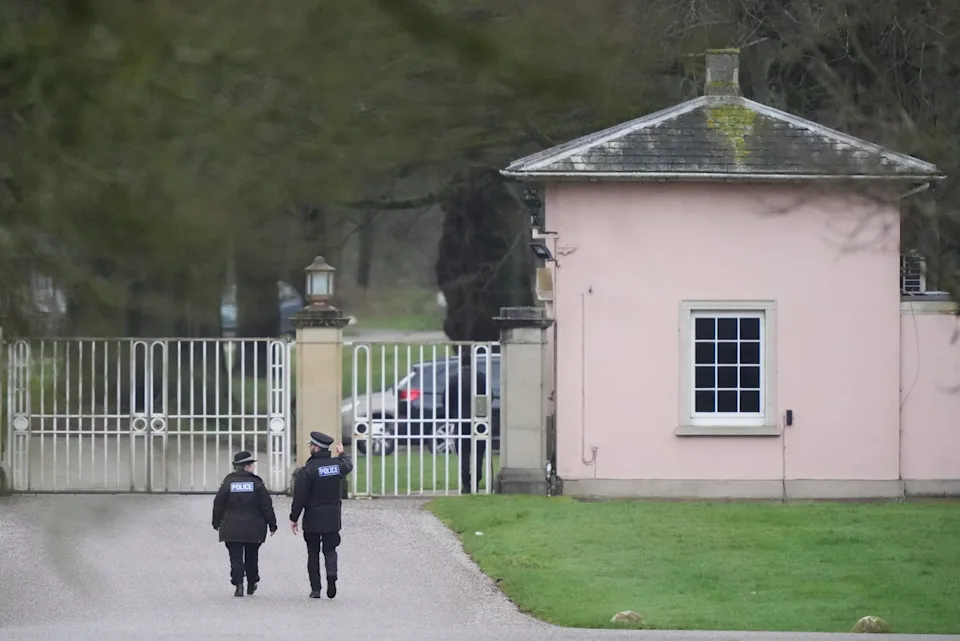
Andrew Mountbatten-Windsor home search warrants were unlawful, says High Court judge
A High Court judge has ruled that search warrants used by police to search properties linked to Andrew Mountbatten-Windsor were unlawful because the wrong legal procedure was followed. In simple terms, police must have the correct legal authority to search someone’s home, and in this case the warrants were issued using the wrong legal provisions. However, the ruling does not mean Andrew has been cleared of wrongdoing, nor does it automatically bring the criminal investigation to an end. It is a decision about whether the searches were carried out lawfully, rather than a judgment on whether any offence was committed. The key question now is whether police will be allowed to keep the documents and electronic devices seized during the searches, and whether the material can be used as evidence. The court’s decision could affect how the investigation proceeds, but the legal challenge alone does not mean the evidence must be discarded or returned.
9 Oct 2026