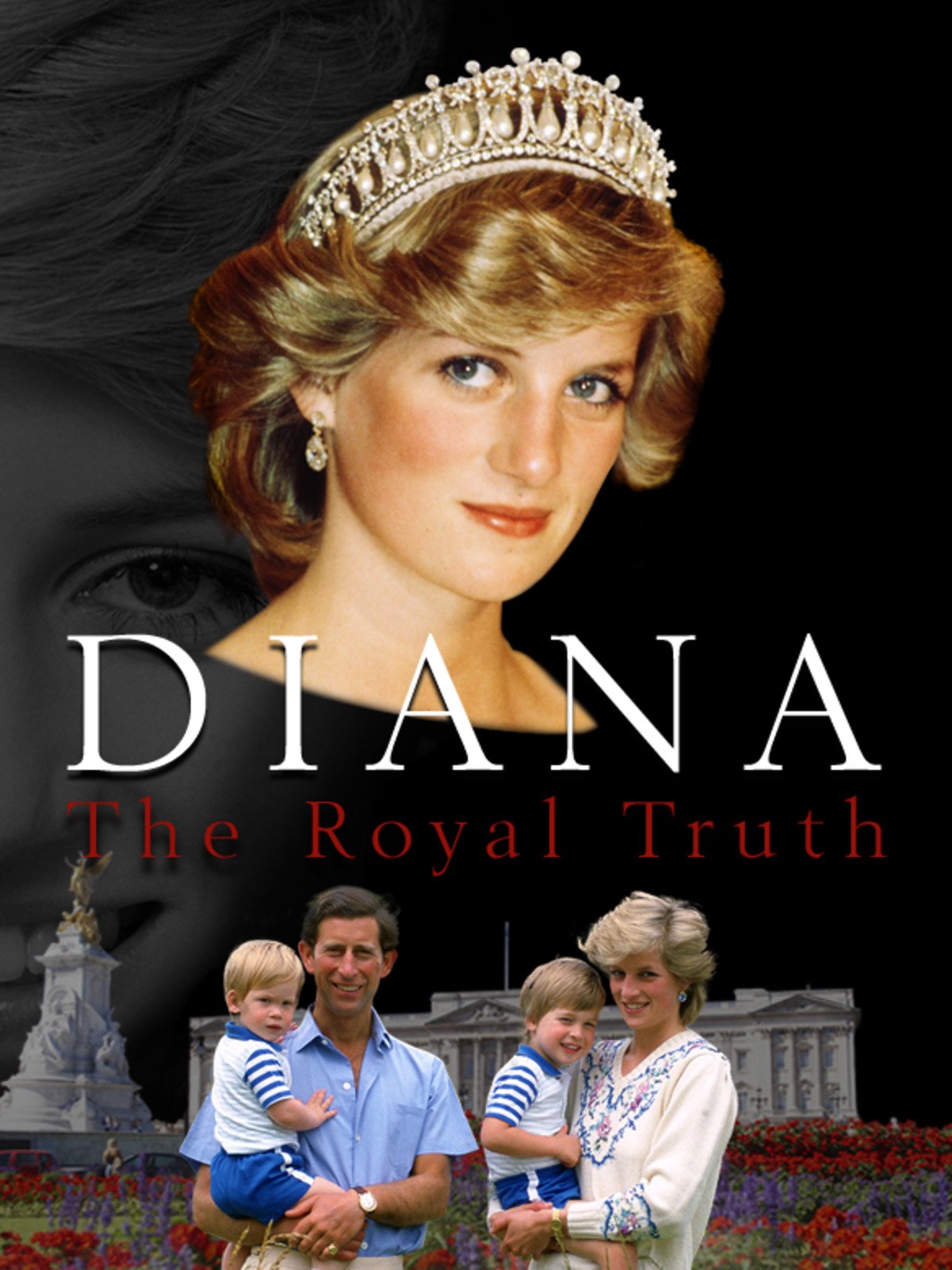
Diana
The Royal Truth
Watch it on Amazon →👑 Full Story
Why has Charles been painted as a 'cold' father? Harry said he 'didn't hug', but King's touching bond with grandson Louis and 'banter' with Prince William tells a different story
For years, King Charles has carried one of the most stubborn labels in royal gossip: the distant father. It is an image that has clung to him through dramatised portrayals, old palace whispers and, most powerfully of all, Prince Harry’s account of a parent who reportedly struggled to show affection in the most obvious way. But as fresh public moments pile up, many royal watchers are asking whether that picture was ever the full story.
The idea of Charles as “cold” did not appear out of nowhere. Harry’s remarks about a father who, according to reports, was not naturally tactile struck a nerve because they seemed to fit a long-running view of the upper reaches of the monarchy: duty first, emotion second. In that world, stoicism was often seen as strength, and public displays of warmth were far rarer than they are today.
Charles also grew up in a royal system that many believe was emotionally restrained. He was raised in an era shaped by formality, boarding school traditions and the unspoken rule that feelings were private matters. Fans of the Royal Family often point out that people tend to parent as they were parented, especially inside institutions as rigid as the monarchy.
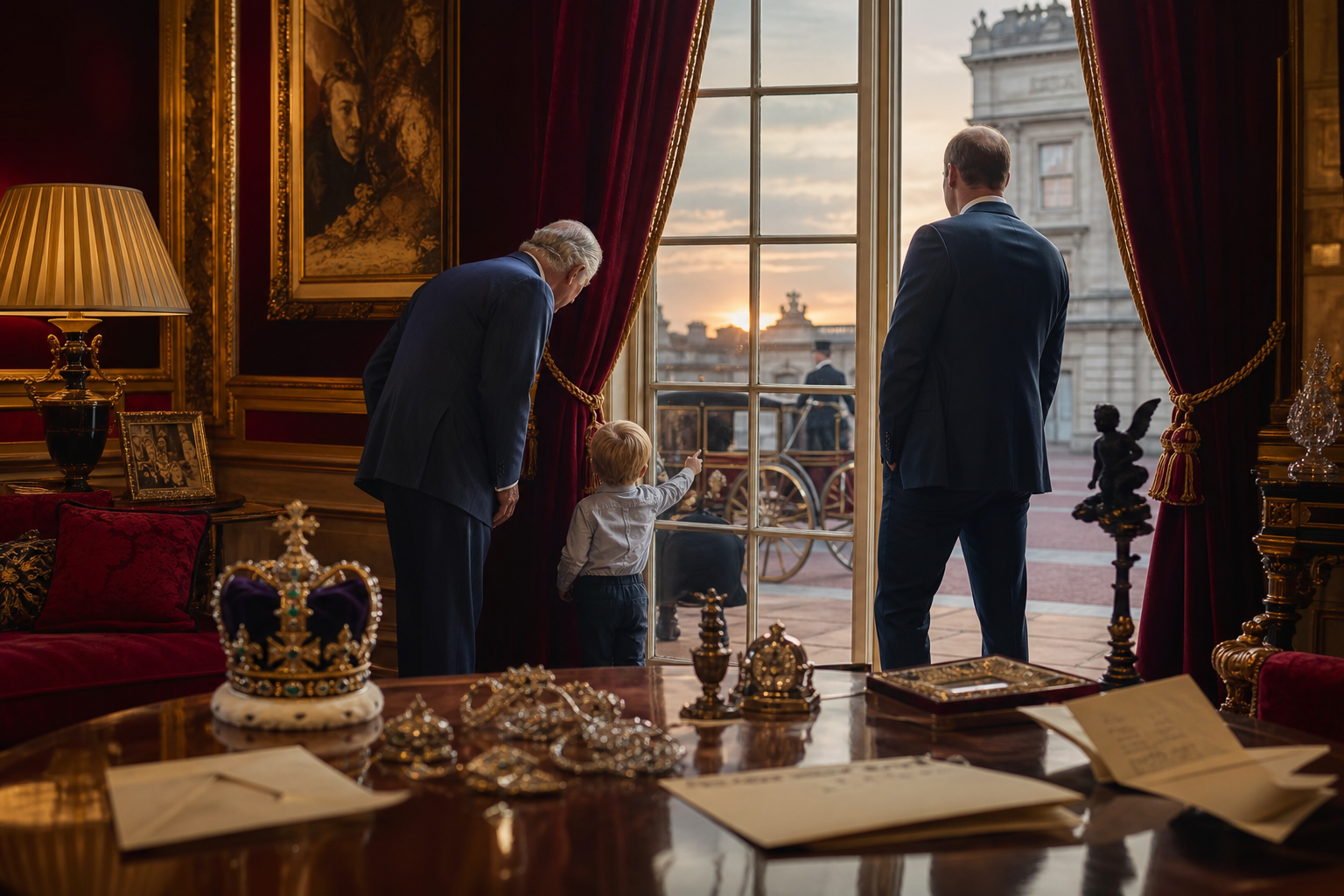
Yet the modern images tell a more complicated tale. Whether he is seen leaning in towards Prince Louis with a grandfather’s amused patience, or sharing what looks like easy banter with Prince William at public events, Charles increasingly appears less icy patriarch and more dry-witted family man. Those fleeting exchanges have not gone unnoticed by royal fans, who say his body language can seem relaxed, affectionate and playful.
Louis, in particular, has become a tiny scene-stealer in these moments. Whenever the young prince’s cheeky energy bubbles over, many viewers believe Charles looks genuinely delighted rather than irritated. That has fuelled chatter that grandfatherhood has softened the King, or perhaps simply revealed a side that was always there but less visible when he was a younger, more scrutinised father.
His relationship with William also seems to feed that rethink. There have been plenty of appearances where father and son seem to share private jokes, knowing glances and a rhythm that suggests familiarity rather than frost. Insiders have long claimed the two can bond over duty, architecture, the countryside and a similar sense of responsibility, even if they express emotion in understated ways.
Of course, none of this erases Harry’s version of events. Families are rarely experienced in the same way by every child, and what one son experiences as reserve, another may read as steadiness. Add divorce, grief, public pressure and the intense glare surrounding the breakdown of Charles and Diana’s marriage, and it becomes easy to see how emotional gaps may have widened into lasting pain.
There is also the question of timing. Charles the young Prince of Wales, balancing expectation and personal turmoil, may not be the same man people see now as King and grandfather. Age, loss and experience change people, and some royal commentators believe Charles has become more visibly comfortable with warmth as the family itself has modernised.
Even so, sceptics remain unconvinced. Some believe carefully watched public appearances can never tell the whole truth, and that a smile at a grandson or a chuckle with William does not automatically rewrite old wounds. Others argue that the monarchy has become far more media-aware, and that softer moments are naturally highlighted because they play well with the public.
Still, the contrast is striking. The man once painted by critics as emotionally unreachable is now often seen as engaged, amused and quietly tender in family settings. Perhaps the truth lies somewhere in the middle: a reserved father shaped by an older royal culture, but not necessarily a loveless one.
And that is why this debate refuses to die. Was Charles truly a “cold” father, or has the public confused formality with lack of feeling while newer glimpses reveal a warmer reality? Tell us what you think.
 P.S. New Energy Revolution
Get the next royal scoop before Reddit does
Join the Royal Goss insiders for the juiciest palace stories, straight to your inbox. You'll also get the Royal Family Coloring Book as a thank-you.
No spam. Unsubscribe any time.