👑 Full Stories
The whole story behind the royal headlines.
👑 Stories about Prince William
Show all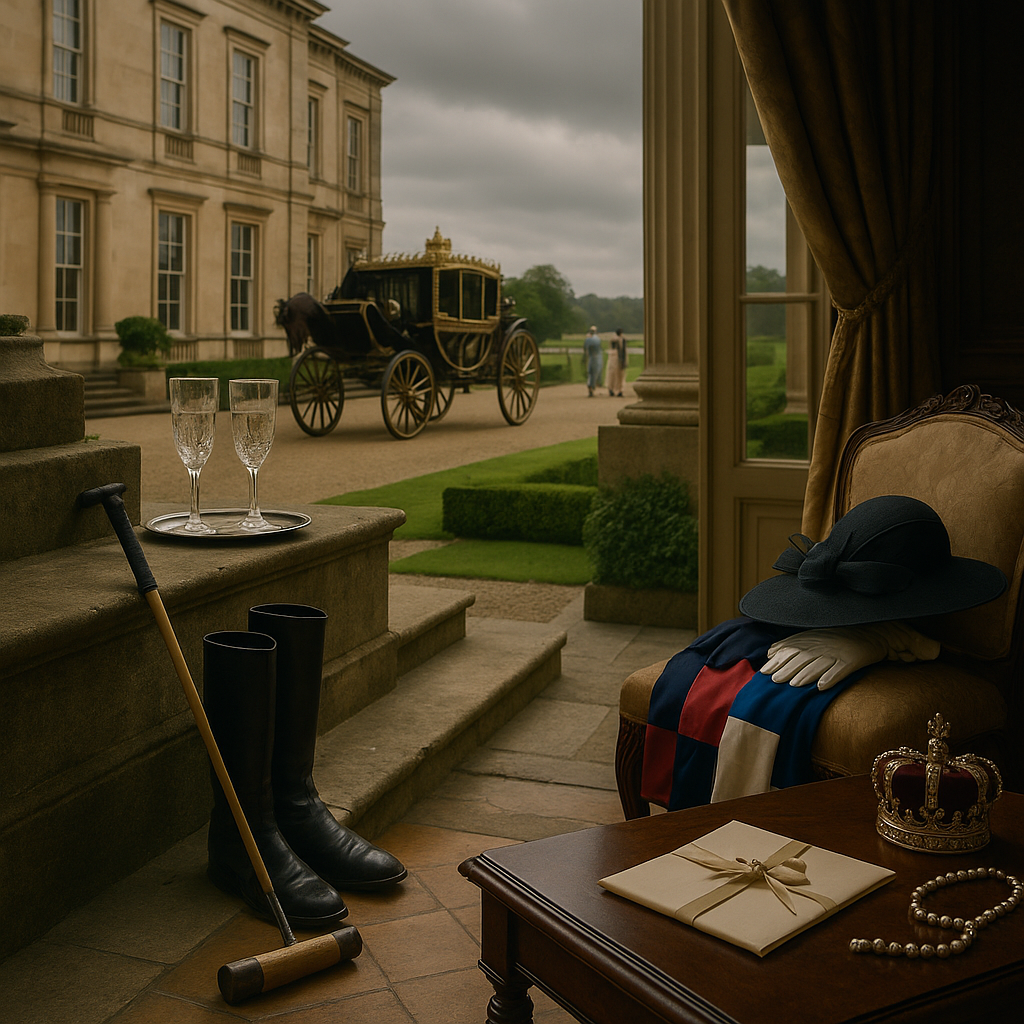
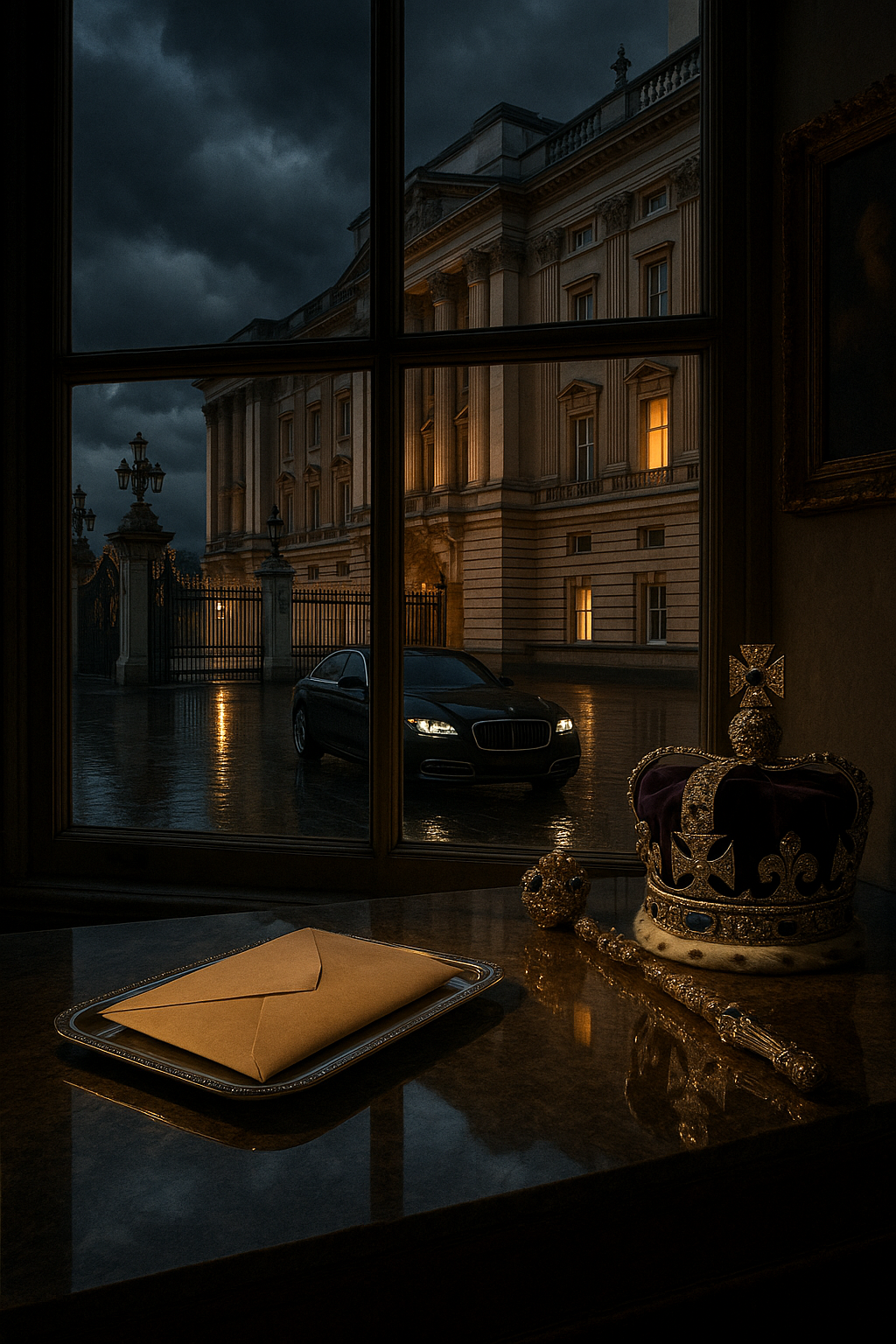
Inside 'pathetic' new strategy to make William and Kate less 'elitist': Less polo, no more champagne at Ascot... and why I fear Harry could take advantage: Royal sources reveal plans to RICHARD EDEN
There is nothing the Palace fears more than the E-word: elitist. And according to reports, that is exactly the image aides are now desperate to soften around the Prince and Princess of Wales, with a fresh strategy said to focus on stripping away some of the flashiest aristocratic signals that have long clung to royal life. Insiders claim the thinking is simple. Less polo. Less obvious upper-crust pageantry. Fewer moments that scream privilege at a time when households across Britain are watching every penny. And, in the sort of detail that instantly sets royal watchers talking, there is said to be sensitivity around the optics of champagne-soaked scenes at Ascot too. It is a striking shift, not least because William and Kate have often been seen as the monarchy’s safest bet: glamorous but disciplined, traditional yet relatable. Even so, reports suggest there is growing awareness behind the scenes that the couple can look a touch too polished, too country-house, too perfectly turned out for an age that prizes authenticity over inherited grandeur. That does not mean they are about to become anti-royal royals. Far from it. The crown still trades on mystique, ceremony and spectacle. But those close to the institution are said to believe there is a line between splendour and social distance, and that line may need redrawing if the Waleses are to remain firmly connected to a younger, broader Britain. Horse racing is a perfect example of the problem. It has deep royal roots and irresistible visual glamour, but it can also look like a members-only world of fascinators, hospitality tents and old-money codes. Queen Elizabeth adored it, of course, and followed bloodlines and form with a passion that surprised many who underestimated just how knowledgeable she was. Prince Philip, by contrast, was said to find it rather dull; though he accompanied the late Queen to race meetings, he was reportedly just as happy watching the cricket on television instead. That contrast says a great deal about royal survival. Even the most traditional family in Britain has always had to balance duty with personality, public image with private preference. The latest reports suggest William and Kate are trying to do the same, shaping an approach that looks less like a stately tableau and more like a modern family aware of the national mood. Yet there is an obvious risk. If they pull too far back from the classic royal pursuits, some loyalists may wonder what exactly is left of the old magic. Polo fields, racecourses and country rituals may not be universally loved, but they have long formed part of the texture of royal Britain. Remove too much, and the monarchy could start to look oddly cautious, even uncertain of itself. And then there is Harry. Because if William and Kate are indeed trying to appear less rarefied, fans believe the Duke of Sussex could seize on any wobble in the branding war. He has built much of his post-royal identity around attacking hierarchy, privilege and image management. If the Waleses are seen to be awkwardly sanding off their poshest edges, critics may ask whether Harry’s complaints have forced the institution into a defensive crouch. That would be deeply uncomfortable for the Palace, which would hate to give even the faint impression that it is reacting to Montecito rather than leading from Windsor. Still, royal history shows that perception matters as much as reality. A changed guest list here, a lower-key outing there, a little less fizz in public view, and suddenly a whole new narrative takes hold. For now, these remain reports and whispers rather than a formal blueprint. But they fit a broader pattern: a monarchy trying to stay majestic without seeming remote, privileged without appearing pampered, grand without drifting into parody. The real question is whether the public actually wants William and Kate to be less elitist, or whether a certain amount of royal glitter is precisely the point. Should the Waleses ditch the polo-and-champagne image, or would that only make the monarchy feel less special?
16 Oct 2026
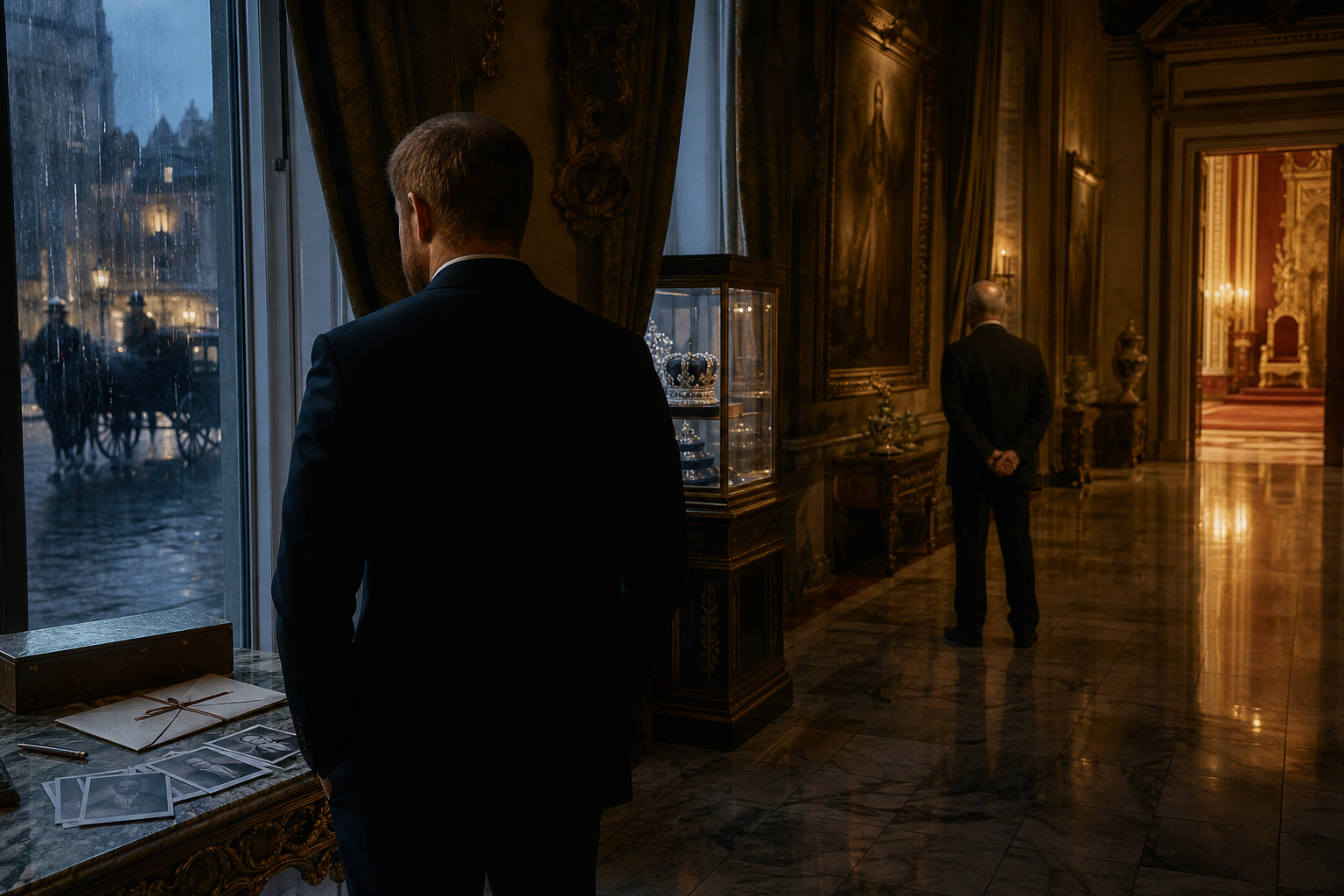
Prince Harry 'stopped cold' by Prince William's three-word secret code amid royal rift The Duke of Sussex claimed a heated confrontation with the Prince of Wales came to an abrupt end when William use
Just when it seemed the royal rift could not get any frostier, one detail has once again sent fans into a frenzy: Prince Harry reportedly being “stopped cold” by a three-word code from Prince William during a blazing row. It is the kind of tiny, intensely personal moment that says far more than any polished palace statement ever could. According to reports surrounding Harry’s account of tensions inside the royal fold, a heated confrontation between the brothers allegedly came to an abrupt halt when William used a private phrase loaded with family meaning. The suggestion is that those three words were enough to cut through the anger in an instant, reminding Harry of a bond formed long before titles, wives and worldwide headlines complicated everything. For royal watchers, it is a heartbreaking image. Two brothers who once seemed inseparable, now reduced to navigating their relationship through old codes and emotional tripwires. If the reports are true, it reveals that beneath the bitterness there may still be fragments of the old language only they understand. The brothers’ story has always carried a powerful emotional charge. They were not just siblings growing up in the public eye, but two boys shaped by extraordinary privilege and extraordinary loss. For years, William and Harry were seen as a team, united by shared memories, matching smiles and a sense that whatever pressures came with palace life, they would face them together. That is why the collapse of their closeness has been so gripping to the public. Since Harry and Meghan stepped back from royal duties and began building a new life abroad, every interaction between the Sussexes and the rest of the Royal Family has been scrutinised. Every funeral glance, every ceremony seating plan and every reported phone call has been treated as a clue in a drama that still shows no sign of fully cooling. Insiders have long claimed the falling-out between William and Harry was never just about one argument or one decision. Instead, it has been painted as a deeper clash over loyalty, duty, trust and competing views of how royal life should be lived. Harry has spoken publicly about feeling unheard, while William is often portrayed by commentators as fiercely protective of the institution he is destined one day to lead. That is what makes the alleged three-word code so fascinating. Fans believe it may have been a phrase tied to their childhood, their late mother, or some private understanding from years when their relationship was less burdened by protocol and pain. Whatever the exact wording, speculation suggests it carried enough emotional force to bring Harry up short and shift the atmosphere immediately. Royal followers have reacted in very different ways. Some see the reported moment as proof that, deep down, the brothers’ connection has not vanished altogether. Others think it only underlines how tragic things have become — if a secret code is needed to stop a fight, then the wounds between them must run painfully deep. There is also the wider question of what this means for the monarchy. William’s future role as King will inevitably shape how any reconciliation unfolds, while Harry remains the royal outsider with the power to command global attention whenever he speaks. If there is still an emotional bridge between them, however fragile, some believe it could matter enormously in the years ahead. Of course, much of this remains wrapped in report, rumour and interpretation. Palace walls are built to keep private moments private, and only the brothers truly know what passed between them. But it is precisely these glimpses behind the curtain — the human, messy, deeply emotional ones — that keep the public so captivated. For all the pomp of crowns, palaces and history, this is still at heart a family story. Hurt, pride, memory and love can be far more explosive than any constitutional drama. And if one whispered code really did stop Prince Harry in his tracks, it raises the biggest question of all: could those same buried ties one day help heal the House of Windsor, or has too much already been said?
15 Oct 2026
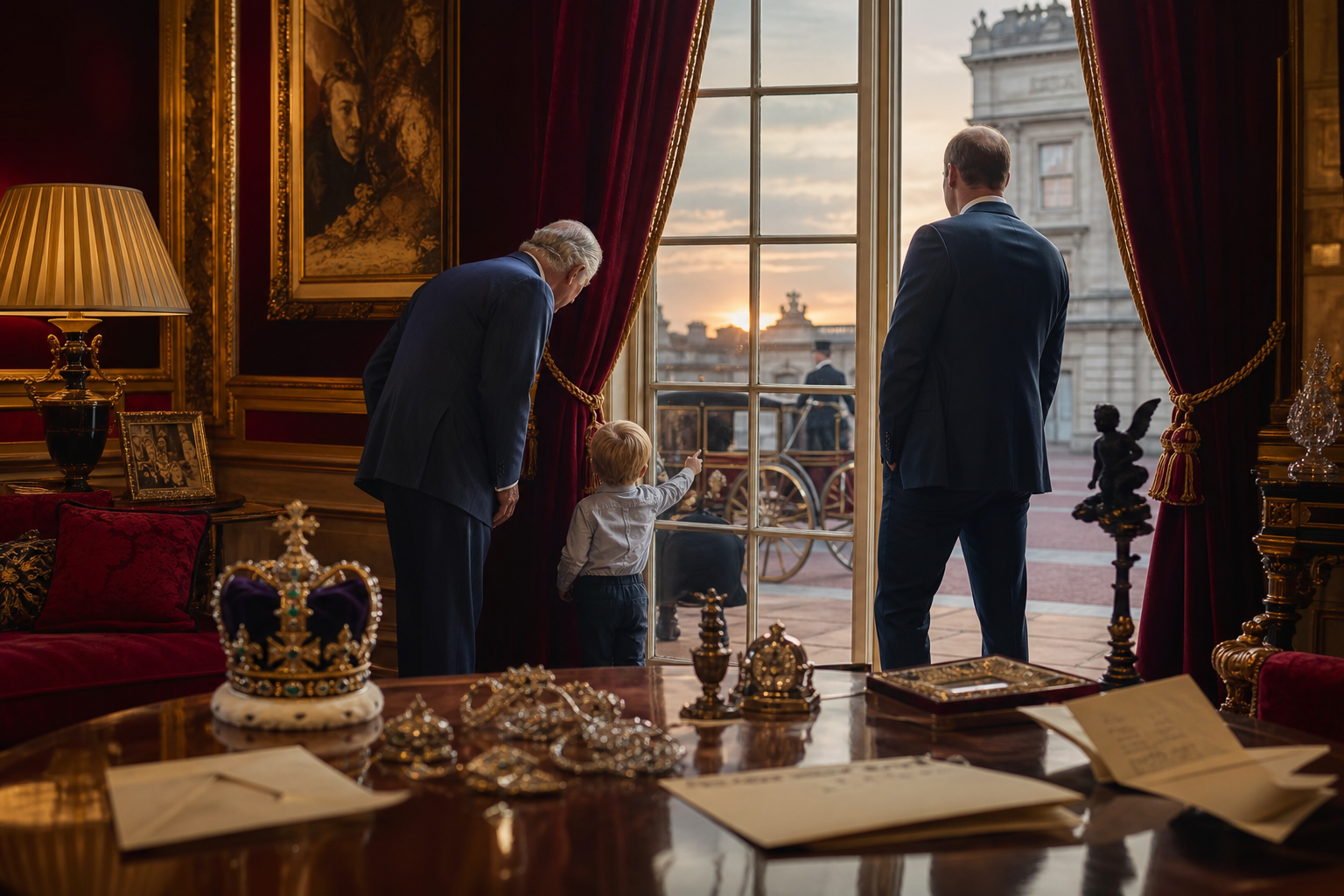
Why has Charles been painted as a 'cold' father? Harry said he 'didn't hug', but King's touching bond with grandson Louis and 'banter' with Prince William tells a different story
For years, King Charles has carried one of the most stubborn labels in royal gossip: the distant father. It is an image that has clung to him through dramatised portrayals, old palace whispers and, most powerfully of all, Prince Harry’s account of a parent who reportedly struggled to show affection in the most obvious way. But as fresh public moments pile up, many royal watchers are asking whether that picture was ever the full story. The idea of Charles as “cold” did not appear out of nowhere. Harry’s remarks about a father who, according to reports, was not naturally tactile struck a nerve because they seemed to fit a long-running view of the upper reaches of the monarchy: duty first, emotion second. In that world, stoicism was often seen as strength, and public displays of warmth were far rarer than they are today. Charles also grew up in a royal system that many believe was emotionally restrained. He was raised in an era shaped by formality, boarding school traditions and the unspoken rule that feelings were private matters. Fans of the Royal Family often point out that people tend to parent as they were parented, especially inside institutions as rigid as the monarchy. Yet the modern images tell a more complicated tale. Whether he is seen leaning in towards Prince Louis with a grandfather’s amused patience, or sharing what looks like easy banter with Prince William at public events, Charles increasingly appears less icy patriarch and more dry-witted family man. Those fleeting exchanges have not gone unnoticed by royal fans, who say his body language can seem relaxed, affectionate and playful. Louis, in particular, has become a tiny scene-stealer in these moments. Whenever the young prince’s cheeky energy bubbles over, many viewers believe Charles looks genuinely delighted rather than irritated. That has fuelled chatter that grandfatherhood has softened the King, or perhaps simply revealed a side that was always there but less visible when he was a younger, more scrutinised father. His relationship with William also seems to feed that rethink. There have been plenty of appearances where father and son seem to share private jokes, knowing glances and a rhythm that suggests familiarity rather than frost. Insiders have long claimed the two can bond over duty, architecture, the countryside and a similar sense of responsibility, even if they express emotion in understated ways. Of course, none of this erases Harry’s version of events. Families are rarely experienced in the same way by every child, and what one son experiences as reserve, another may read as steadiness. Add divorce, grief, public pressure and the intense glare surrounding the breakdown of Charles and Diana’s marriage, and it becomes easy to see how emotional gaps may have widened into lasting pain. There is also the question of timing. Charles the young Prince of Wales, balancing expectation and personal turmoil, may not be the same man people see now as King and grandfather. Age, loss and experience change people, and some royal commentators believe Charles has become more visibly comfortable with warmth as the family itself has modernised. Even so, sceptics remain unconvinced. Some believe carefully watched public appearances can never tell the whole truth, and that a smile at a grandson or a chuckle with William does not automatically rewrite old wounds. Others argue that the monarchy has become far more media-aware, and that softer moments are naturally highlighted because they play well with the public. Still, the contrast is striking. The man once painted by critics as emotionally unreachable is now often seen as engaged, amused and quietly tender in family settings. Perhaps the truth lies somewhere in the middle: a reserved father shaped by an older royal culture, but not necessarily a loveless one. And that is why this debate refuses to die. Was Charles truly a “cold” father, or has the public confused formality with lack of feeling while newer glimpses reveal a warmer reality? Tell us what you think.
14 Oct 2026
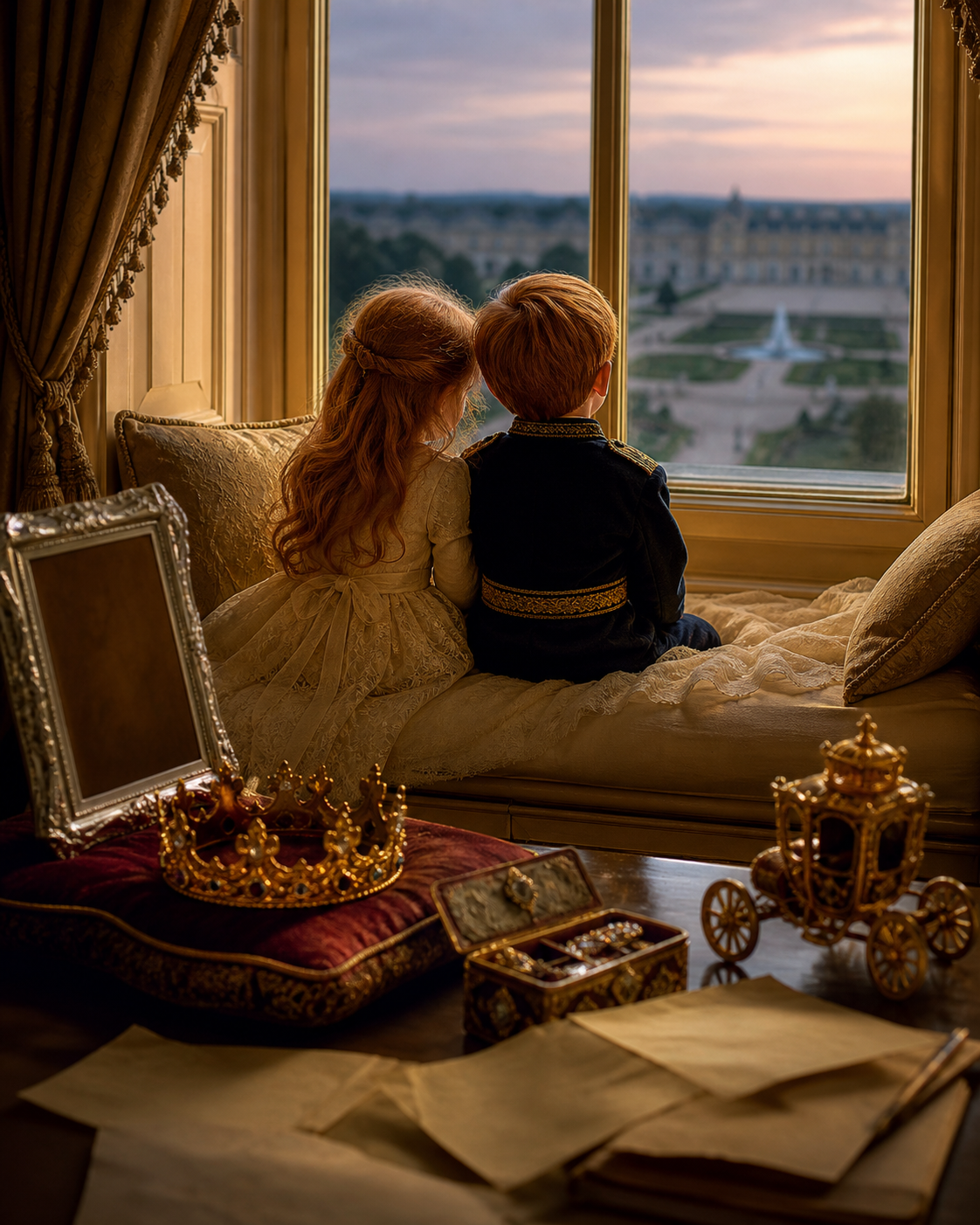
Prince Harry reveals how photo of Archie and Lili 'at peace with each other' makes him emotional - amid ongoing estrangement from William
For all the headlines about family feuds, court battles and palace fallout, it was a tender moment between Prince Harry’s two children that appears to have cut through everything else. During a recent conversation with American neuroscientist Dr Mary-Frances O’Connor, the Duke of Sussex was said to be visibly emotional as he reacted to a photograph of Archie and Lilibet looking calm and close, a scene he reportedly described as them being “at peace with each other”. It is the kind of image that lands with extra force when set against the backdrop of Harry’s own fractured family story. The Sussexes have guarded their children’s privacy fiercely since stepping back from royal life and moving to California, so any glimpse into life behind closed doors tends to spark intense interest. But this was not really about a picture-perfect family snap. It was about what that image seemed to represent to Harry: innocence, safety and a bond untouched by the turbulence that has defined so much of his adult life. According to reports, the duke’s reaction was immediate and deeply felt. Those who have followed Harry’s public appearances over the years will know that fatherhood has become central to how he speaks about identity, healing and the future. Again and again, he has suggested that raising Archie and Lili away from some of the pressures he experienced is one of the driving forces behind the life he and Meghan have built in America. That is why this moment has resonated so strongly. Fans believe the photograph touched a nerve not simply because it was sweet, but because it showed the kind of peace Harry has often implied he longed for in his own childhood and still longs for within his wider family. A brother and sister content in each other’s company is, on the surface, ordinary. In royal terms, it can feel almost painfully symbolic. And of course, the timing is impossible to ignore. Harry’s relationship with Prince William remains the subject of relentless speculation, with insiders claiming the brothers are still estranged despite occasional hopes of a thaw. Years of tension, public revelations and mutual mistrust have left a heavy shadow over what was once seen as one of the monarchy’s strongest sibling bonds. That contrast is what gives this latest moment its emotional sting. On one side, there is Harry looking at a picture of Archie and Lili in apparent harmony. On the other, there is the continuing story of two royal brothers who, according to reports, remain painfully distant. Royal watchers will inevitably read more into it. Some believe Harry’s emotional response reveals just how determined he is to protect his children from inherited patterns of conflict. Others think it may also reflect grief for what has been lost with William, and perhaps for the closeness the brothers once shared after the death of Diana, Princess of Wales. There is another layer too. Harry has increasingly spoken in ways that suggest he sees emotional honesty as a strength rather than a liability, even if that has unsettled parts of the royal establishment. In that sense, being moved by a simple family photograph fits the version of himself he has been presenting for years: a prince trying to turn pain into something gentler for the next generation. Whether this touching moment says anything about the future of the royal rift is another matter entirely. A sweet image of Archie and Lili cannot heal a breakdown between brothers on its own, and no one close to the Waleses or the Sussexes has suggested that reconciliation is suddenly around the corner. Still, the symbolism is hard to miss. In a royal saga so often dominated by bitterness, this was a rare flash of softness. Harry’s tears, or near-tears, were not for protocol, duty or image, but for a private moment of sibling peace. And perhaps that says more than any carefully managed statement ever could. Could Archie and Lili’s quiet bond become the kind of family legacy Harry wants most, and do you think it might one day inspire healing beyond California?
13 Oct 2026
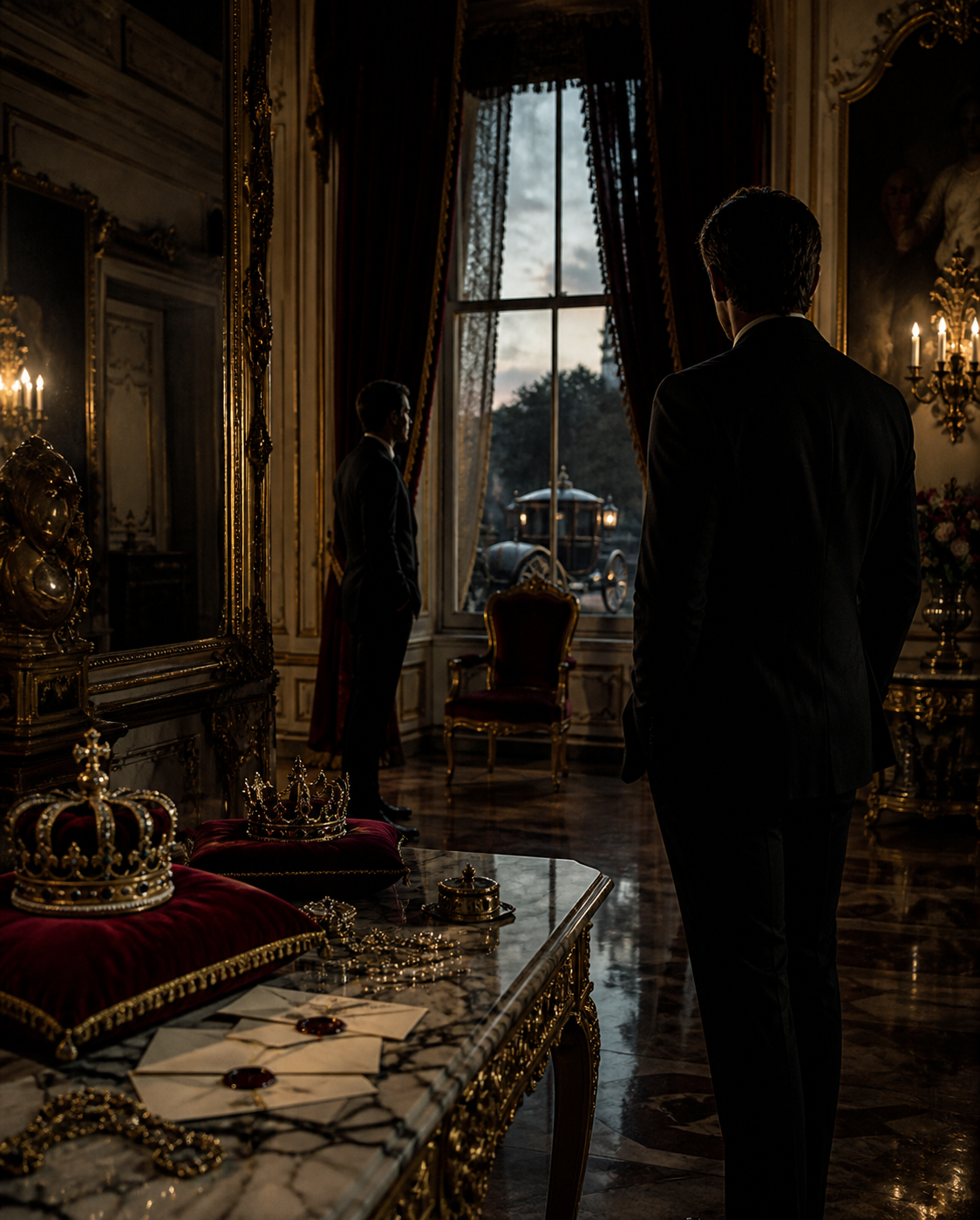
Prince Harry and Prince William face off in ‘SNL UK’ cold open as brotherly feud continuesThe princes are embroiled in a longstanding feud.Prince Harry and Prince William face off in ‘SNL UK’ cold ope
If there was any doubt that the royal rift still has the world hooked, the latest comedy sketch has settled it. A sharp-tongued cold open on the much-talked-about “SNL UK” reportedly put Prince William and Prince Harry centre stage, turning years of family tension into prime-time satire and instantly setting tongues wagging. Viewers were quick to clock the sketch’s most explosive ingredient: the brothers were shown squaring up in a gleefully exaggerated face-off, with palace-style grandeur clashing against California-flavoured self-seriousness. Fans online appeared divided between those who thought it was brilliantly cheeky and those who felt the ongoing family pain should have been left alone. The spoof lands in a cultural moment when Harry and William remain, at least publicly, worlds apart. What was once sold to the public as an unbreakable bond forged through shared grief has, according to years of reports and royal-watchers’ analysis, hardened into one of the most painful fractures in modern royal history. For many, the seeds were visible long before the headlines turned truly brutal. William, as the future King, has long been associated with duty, caution and institutional loyalty, while Harry has increasingly positioned himself as the royal outsider, determined to speak openly about the pressures and wounds he believes were left unaddressed. That contrast has only deepened since Harry’s departure from royal life with Meghan. Since then, interviews, memoir revelations and repeated speculation about private family rows have kept the feud alive in the public imagination, even during periods when both sides have remained outwardly silent. According to reports, the “SNL UK” sketch leaned heavily into those familiar narratives: the heir versus the spare, the Palace versus Montecito, stoicism versus oversharing. It is exactly the kind of material satirists love, because the characters are already so sharply defined in the public mind. Still, there is something particularly striking about seeing the feud turned into broad comedy. Royal dramas are nothing new, of course, but this one carries a different emotional charge. The story of two brothers, once united in the harshest of circumstances, remains deeply sad beneath the glitter, protocol and headlines. Reaction has been swift. Some viewers said the sketch simply reflected what the public has been discussing for years and argued that the royals, as public figures, are fair game. Others felt the routine risked trivialising a family rupture that has reportedly caused real distress behind palace walls. It also says plenty about how embedded the feud has become in global pop culture. This is no longer a story confined to royal correspondents and palace insiders. It has moved fully into entertainment, where every glance, every reported slight and every rumoured lack of contact can be repackaged as a punchline. For William, that may be especially uncomfortable as he continues to embody the monarchy’s steady future. For Harry, who has made openness part of his public identity, satire may be an occupational hazard. Either way, the fact that comedians are still mining this family fallout suggests the wound remains very much unhealed in the public eye. Insiders have long claimed that trust between the brothers has been badly damaged, and fans continue to speculate about whether any genuine reconciliation is possible. Moments that might once have offered a reset have, according to commentators, often been overshadowed by fresh revelations, competing narratives and the sheer weight of history. The bigger question is whether sketches like this harden public perceptions even further. When satire reduces a painfully complicated family saga to archetypes, it can be hilarious, but it can also freeze people in roles they may never escape: William the stern establishment prince, Harry the aggrieved rebel. And yet, perhaps that is why people cannot look away. Beneath the crowns, carriages and ceremony lies the oldest story of all: sibling rivalry, disappointment and the hope, however faint, that blood might one day matter more than bitterness. Was this royal send-up a brilliantly bold bit of telly, or a step too far for a family feud that still feels painfully real?
11 Oct 2026