👑 Full Stories
The whole story behind the royal headlines.
👑 Stories about Prince Andrew
Show all
Andrew Mountbatten-Windsor could face legal demand to testify in US about friendship with Epstein
Just when the Duke of York seemed to have slipped into the background, his name is threatening to roar back into the spotlight. According to reports from the United States, Andrew Mountbatten-Windsor could face a legal demand to give evidence about his long-scrutinised friendship with Jeffrey Epstein if political pressure gathers pace after the Midterms. It is the sort of prospect that will send a chill through royal circles. The former Prince has repeatedly denied any wrongdoing, yet the mere suggestion that he could be compelled to speak under oath in America is enough to revive one of the monarchy’s darkest modern headaches. For years, Andrew’s association with Epstein has shadowed both his public role and his private standing within the family. What began as deeply uncomfortable questions over social ties and judgment spiralled into a reputational crisis that ultimately saw him step back from official duties and retreat from frontline royal life. Now, according to political chatter in Washington, Democrats are said to be keen to keep digging into the Epstein files and pursue every possible avenue of scrutiny. Insiders claim that if momentum builds, figures linked in any meaningful way to Epstein’s orbit could be asked to account for what they knew, when they knew it and how close those links truly were. That does not mean a courtroom showdown is inevitable. Legal experts and palace watchers alike would likely say there are many hurdles between political rhetoric and any formal demand to testify. But the fact Andrew’s name is once again being discussed in that context is, in itself, a fresh blow. Royal history only makes the story more combustible. Andrew was once seen as the late Queen’s favourite, the dashing second son with naval credentials, royal swagger and a prominent place on the world stage. In the years since, his fall has been one of the most dramatic reversals in House of Windsor memory, from state banquets and balcony appearances to a far more secluded existence. The family’s strategy has appeared, at least outwardly, to be one of distance and containment. Since the accession of King Charles, there has been intense interest in how firmly the monarchy intends to draw the line under the Andrew saga. Every fresh report, rumour and legal twist makes that task harder. There is also the brutal reality of public perception. For many royal fans, the issue is no longer about whether Andrew can rehabilitate his image, but whether the institution can ever fully move on while his name keeps resurfacing. Critics believe any new US process would reopen painful questions the Palace would much rather leave buried. Supporters of the Duke, meanwhile, may argue that speculation should not be mistaken for guilt and that he has consistently denied wrongdoing. They are likely to say that being linked to an investigation, or even asked to assist one, is not the same as being found liable for any criminal act. In a case so loaded with emotion and notoriety, that distinction matters. Still, the politics are potentially explosive. If US lawmakers and investigators continue to probe the Epstein network with renewed energy, the pressure on anyone associated with him could intensify fast. For Andrew, who has spent years trying to keep a low profile, the danger is that transatlantic legal attention could drag him back into a storm he has never truly escaped. And for the royals, there is a bigger question humming beneath the gossip and the headlines. How many more times can the monarchy absorb the shock of Andrew-related revelations before the damage spreads beyond one disgraced Duke and once again touches the Crown itself? Do you think Andrew should be required to testify if US authorities come calling, or has the royal family already paid enough of a price for this scandal?
19 Oct 2026
Police feared King could step in to halt raid on Andrew Mountbatten-Windsor's homes, legal documents reveal
Just when you thought the Andrew saga could not feel any more extraordinary, a fresh twist has landed straight from the legal files. According to reports, police privately feared King Charles might be asked to intervene and stop raids on the homes of his brother, Andrew Mountbatten-Windsor, if officers moved in. It is the sort of behind-palace-gates anxiety that tells you everything about how combustible this royal drama had become. The claims emerge from legal documents said to have been obtained by the Daily Mail, and they paint a picture of nerves at the highest level. Far from being a routine law-enforcement operation, the proposed swoops were reportedly viewed through the prism of monarchy, family loyalty and constitutional sensitivity. In other words, this was never just about addresses and warrants. Andrew has long been the royal name that refuses to drift quietly out of the headlines. From his dramatic fall from public grace to the stripping back of official duties and status, the Duke of York’s troubles have cast a long shadow over the House of Windsor. Even after being pushed from the frontline, his presence has continued to generate awkward questions for the Firm. That is why these newly revealed concerns are so arresting. According to reports, officers worried that if searches of Andrew’s properties went ahead, pressure could build for the King to somehow bring matters to a halt. Whether that fear was realistic or simply a sign of how delicate the situation appeared, it underlines just how carefully every move involving the royals has to be weighed. Of course, there is a crucial distinction between private worry and public reality. There is no suggestion in these reports that the King did step in, or that any intervention was actually made. But the fact that police were apparently discussing the possibility at all is enough to send royal watchers into overdrive. It also opens up a deeper question about the monarchy’s modern balancing act. Charles has spent years trying to project a leaner, steadier and more duty-focused Crown after the turbulence of recent times. Any hint that he could be drawn into legal controversy surrounding his brother would risk undermining that careful image, even if only by association. Royal history is littered with moments when private family mess collides with public institution. The Windsors know better than most that scandal rarely stays neatly contained behind high gates and clipped hedges. Once legal papers, police concerns and royal names start appearing in the same sentence, the fallout can travel far beyond the palace walls. Unsurprisingly, reaction has been swift. Some royal fans believe the revelations show just how determined police were to avoid even the perception of deference. Others think the documents simply expose the extraordinary complications that come with investigating anyone tied so closely to the sovereign. And, as ever, Andrew’s critics say the story is another reminder of how damaging his continued presence has been for the monarchy. There will also be those asking what this means for Andrew’s future place, if any, within royal life. While he has already been largely sidelined, stories like this keep dragging him back into the spotlight and, with him, the institution he was born into. For Charles, that is the real headache: every new disclosure risks reopening old wounds just as the Palace tries to look forward. The most intriguing part of all may be what these documents reveal about mood rather than action. Fear, hesitation and sensitivity are not the language of a family matter kept neatly under control. They suggest a system acutely aware that one wrong move could ignite a constitutional, political and public relations storm. So was this simply prudent policing around a uniquely delicate target, or another sign of how entangled royal power and royal scandal can become when crisis hits? And do you think the King should ever be in a position where people even imagine he could halt such action on behalf of his brother?
17 Oct 2026
Meghan Markle's very awkward mistake with Andrew Mountbatten-Windsor
In royal circles, names are never just names — and that is why one reported Meghan Markle slip-up has set tongues wagging all over again. According to reports, the Duchess of Sussex is said to have referred to Andrew Mountbatten-Windsor in a way that left some royal watchers cringing, reopening one of the most awkward habits in aristocratic life: knowing exactly who is called what, and when. The alleged mistake centres on Prince Andrew’s surname, or rather the use of it at all. To most of the world he is simply Prince Andrew, Duke of York, and within senior royal life surnames are often beside the point. But “Mountbatten-Windsor” is the family name used by descendants of Queen Elizabeth II and Prince Philip in certain formal situations, and according to chatter surrounding the incident, Meghan’s use of it in connection with Andrew struck some as jarring, overly American, or simply out of step with palace custom. On paper, it may sound tiny. In practice, royal protocol is built on these tiny distinctions, and the House of Windsor has always been sensitive to titles, forms of address and status. For a family that has spent generations balancing public ceremony with private hierarchy, getting a name wrong can be seen by traditionalists as more than a harmless social stumble. That, of course, is why the story has travelled so fast. Meghan has long been painted by critics as someone who struggled to fit into the centuries-old machinery of monarchy, while supporters insist she was expected to absorb impossibly coded rules with little room for error. This latest awkward moment, as fans and detractors alike have framed it, fits neatly into that wider argument. There is also the Andrew factor, which makes any mention of him instantly more loaded. Prince Andrew has remained one of the most controversial figures connected to the Royal Family, and even a minor etiquette misstep involving him is bound to attract disproportionate attention. Some royal observers believe that had the same naming confusion involved a less divisive royal, it might barely have raised an eyebrow. Still, royal historians will note that the surname question has always been messy. The Windsor name itself was adopted in the last century, while Mountbatten-Windsor later emerged as a compromise reflecting both the late Queen’s line and Prince Philip’s family name. Many royals rarely need to use a surname publicly at all, which means even well-informed outsiders can find the conventions baffling. According to reports and online reaction, the response has split sharply down familiar lines. Critics have suggested the alleged error showed a lack of understanding of the institution Meghan married into. Supporters, however, argue that ordinary people use surnames all the time and that the fury says more about royal snobbery than it does about Meghan. Some insiders claim these sorts of moments mattered more behind palace walls than the public ever realised. Tiny breaches of tone, wording or protocol could reportedly feed much larger impressions — whether someone was trying too hard, not trying hard enough, or refusing to play by unwritten rules. If that is true, then what looks trivial from the outside may have carried more emotional charge within the family. It also highlights one of the central tensions in Meghan’s royal story. She arrived as a modern, media-savvy outsider entering an ancient institution that prizes instinctive fluency in codes that are rarely explained aloud. Every stumble, real or rumoured, became part of a bigger narrative about belonging, class and control. In the end, this awkward Andrew Mountbatten-Windsor moment may be remembered less for the name itself than for what it symbolises. Was it simply a harmless misunderstanding, blown up because Meghan remains such a lightning rod? Or did it reveal, yet again, just how unforgiving royal life can be when someone does not speak its strange and secret language perfectly? What do you think — an innocent slip that anyone could make, or a telling royal faux pas that still says something about Meghan’s troubled time inside the Firm?
15 Oct 2026
Andrew Mountbatten-Windsor's pals 'urge him to take legal action against King Charles'
Just when it seemed the Andrew Mountbatten-Windsor saga could not become any more extraordinary, a fresh whisper from royal circles has set tongues wagging. According to reports, some of his friends are urging him to consider legal action against King Charles in what would be an astonishing new chapter in one of the monarchy’s most bruising family feuds. The suggestion alone is enough to send shockwaves through palace watchers. A son of the late Queen taking on the King in any formal way would be almost unthinkable for many royal traditionalists, yet insiders claim there is a small but noisy group around Andrew who believe he has been unfairly frozen out and publicly humiliated. The row is said to centre on the dramatic fallout from last year, when Charles moved to strip Andrew of his titles and royal standing. The decision came after it emerged that Andrew had reportedly continued to message Jeffrey Epstein, despite previous claims that contact had been cut off. For the King, many believe it was a line that simply could not be ignored. Ever since, Andrew has occupied an awkward and increasingly isolated position within the royal fold. Once a prominent working royal, complete with military associations, ceremonial status and all the trappings of rank, he has instead become a symbol of embarrassment for an institution that survives on public trust as much as pomp. That is why the latest murmur feels so explosive. According to speculation in royal circles, Andrew’s supporters think he should challenge the way he was cast aside, particularly if they feel due process, family fairness or longstanding understandings were swept away in the King’s determination to protect the Crown. Whether Andrew himself has any appetite for such a move is another matter entirely. He has long been seen as stubborn, but even his critics would admit he understands the devastating optics of open warfare with his brother. A legal battle would not just deepen the personal rift, it could drag private family tensions into public view with an intensity the Windsors usually go to great lengths to avoid. There is also the uncomfortable truth that public sympathy may be in short supply. While a few loyalists may see him as harshly treated, many royal fans believe Charles had little choice but to act decisively. In that view, the King’s first duty was to protect the monarchy from further reputational damage, however painful that might have been on a family level. Even so, the idea of Andrew being pushed towards the courts speaks volumes about how bitter things may still be behind closed palace doors. This is not merely a spat over status or ceremony. It goes to the heart of power inside the House of Windsor: who belongs, who decides, and what happens when royal blood collides with royal survival. For Charles, the whole episode has been another stern test of his reign. He came to the throne promising steadiness and a slimmer, more disciplined monarchy. Removing Andrew from the royal frontline was widely seen as part of that strategy, a sign that sentiment would not be allowed to trump the institution. But Andrew has always been a complicated figure in the royal story, and history shows that sidelined royals do not always fade quietly. From bruised pride to whispered resentment, these dramas have a habit of resurfacing when least expected, especially when friends, former aides and hangers-on keep old grievances alive. At present, talk of legal action remains just that: talk. No formal move has been announced, and it may never be. Still, the mere suggestion is enough to remind everyone that beneath the glittering balconies, polished carriages and jewelled traditions, this family can be every bit as combustible as any other. If Andrew were to escalate matters, it could trigger one of the most shocking royal confrontations in modern memory. But would it expose an injustice, or simply plunge the monarchy into yet another self-inflicted crisis?
11 Oct 2026
Andrew can currently 'do what he likes' with his reported £1million annual allowance… THE ONLY WAY to ensure it's not paying for the disgraced royal's legal battles is for King Charles to cut his brot
Just when it seemed Prince Andrew could not drift further into the shadows, fresh chatter about his reported annual allowance has put him right back at the centre of palace gossip. The explosive claim doing the rounds is simple: if the money is still reaching him, he can currently do what he likes with it — and the only sure way to stop any of it potentially being used for legal wrangles would be for King Charles to cut his brother off altogether. It is the sort of palace dilemma that makes courtiers wince. Andrew has long been a source of embarrassment for the monarchy, and every whisper about finances reopens the same raw question: how far should the Royal Family keep bankrolling a disgraced duke who has already cost the Firm so dearly in reputation? According to reports and royal watchers, the concern is not merely whether Andrew is being supported, but how that support could be spent once it is in his hands. Unless funds are tightly controlled, insiders claim there is little to stop money being redirected toward personal costs, including expensive legal advice or efforts to manage ongoing fallout from past scandals. That is what makes this latest storm so awkward for the King. Charles has spent years trying to slim down the monarchy, sharpen its image and convince the public that the institution understands modern expectations. Any suggestion that private or family money may still be cushioning Andrew’s life behind palace gates risks cutting across that message in the most damaging way. Andrew’s fall from grace has been dramatic and, for many, irreversible. Once seen as a prominent working royal with military credentials and a visible place on the world stage, he has since become a symbol of royal excess, poor judgement and the dangers of entitlement. His public role evaporated, his honours became a sensitive issue and his appearances now trigger instant backlash. Yet the practical question of how he lives has never entirely gone away. Royal fans have long speculated about the true extent of family support, from security and property issues to the day-to-day reality of maintaining a royal lifestyle once public duties have disappeared. Rumours have swirled for years that while Andrew’s public standing has collapsed, the financial ties may be harder to sever than the palace would like. That is where Charles finds himself in a bind. On one side is family loyalty, the old royal instinct to deal with private pain behind closed doors and avoid total humiliation. On the other is public anger, which tends to flare at the very idea that money linked in any way to royal privilege could still be softening the consequences for a man many believe should be left to face them alone. Some royal observers believe the King may prefer a quiet arrangement rather than a dramatic financial guillotine. Others insist that only a complete withdrawal of support would send the unmistakable message that Andrew’s troubles are his own. In their view, anything less leaves too much room for damaging speculation. And speculation is exactly what the palace can least afford. Every report about allowances, residences or private assistance feeds a broader narrative that Andrew remains protected, even if unofficially. For a monarchy working hard to project duty, discipline and restraint, that perception is almost as dangerous as any confirmed detail. There is also the wider family optics problem. William and Catherine represent the future, and Charles has been trying to steady the institution for the next generation. If Andrew continues to hover as a costly royal loose end, it risks undermining that careful reset and reminding the public of a chapter the palace desperately wants closed. For now, much remains in the realm of reports, rumour and fierce royal debate. But one thing is clear: as long as Andrew is thought to be receiving substantial support, questions will keep coming about where that money goes and why the King has not drawn a firmer line. So should Charles finally cut the cord completely, or is the truth more complicated behind palace walls than the public realises?
10 Oct 2026
Andrew Mountbatten-Windsor home search warrants were unlawful, says High Court judge
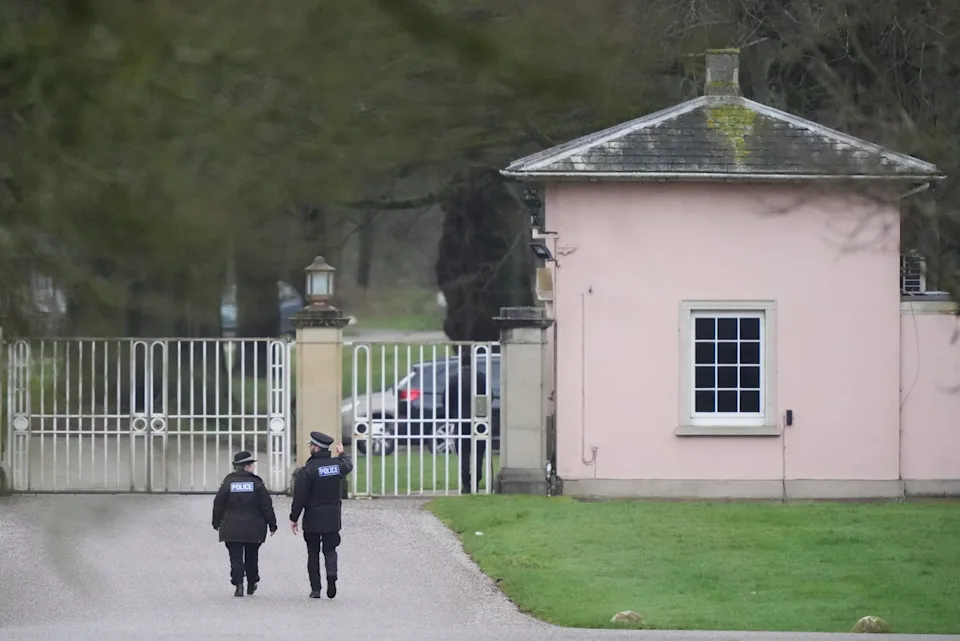
A High Court judge has ruled that search warrants used by police to search properties linked to Andrew Mountbatten-Windsor were unlawful because the wrong legal procedure was followed. In simple terms, police must have the correct legal authority to search someone’s home, and in this case the warrants were issued using the wrong legal provisions. However, the ruling does not mean Andrew has been cleared of wrongdoing, nor does it automatically bring the criminal investigation to an end. It is a decision about whether the searches were carried out lawfully, rather than a judgment on whether any offence was committed. The key question now is whether police will be allowed to keep the documents and electronic devices seized during the searches, and whether the material can be used as evidence. The court’s decision could affect how the investigation proceeds, but the legal challenge alone does not mean the evidence must be discarded or returned.
9 Oct 2026