👑 Full Stories
The whole story behind the royal headlines.
👑 Stories about Royal Fashion
Show all
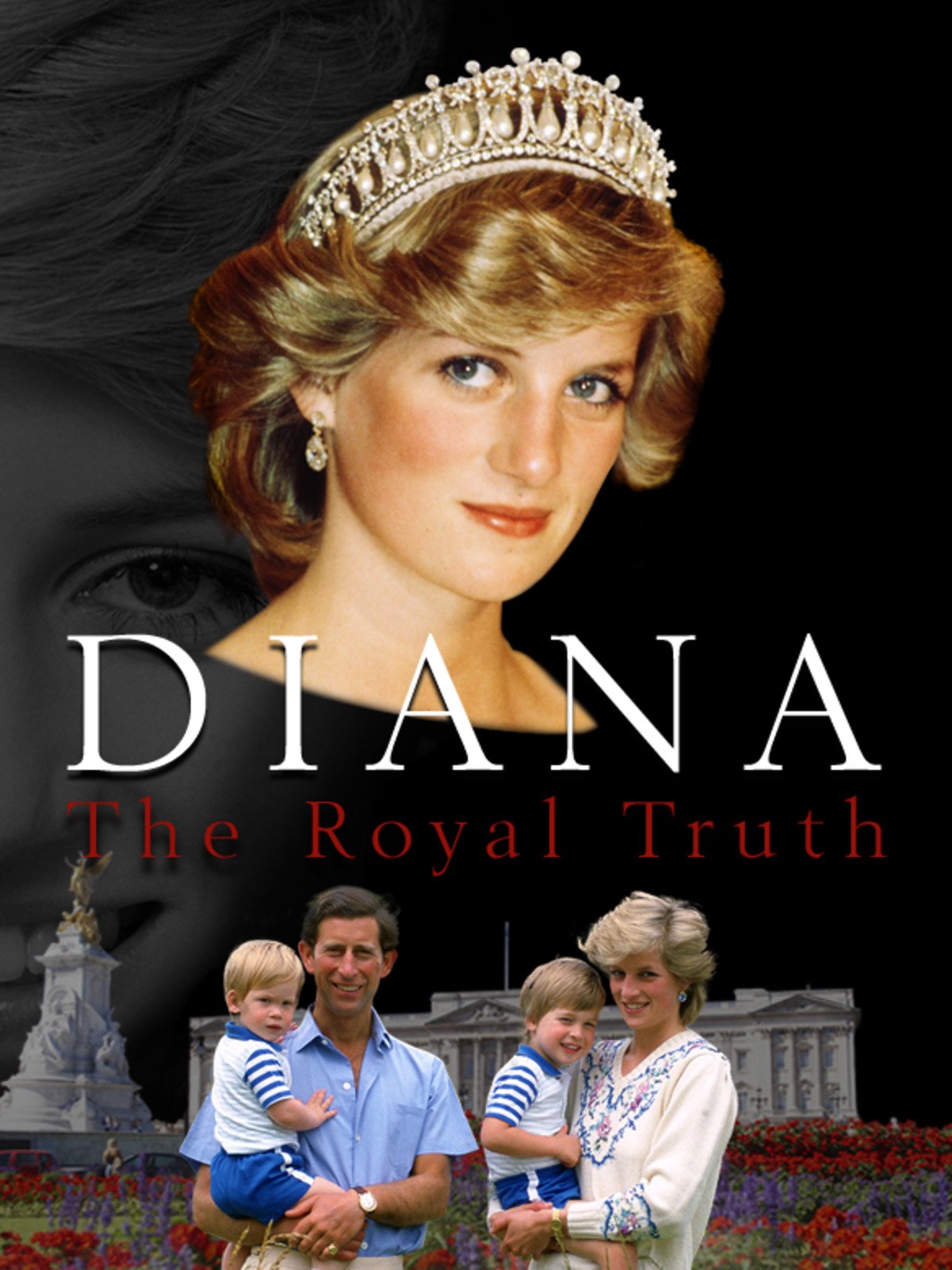
"10 Best Books About Princess Diana" I found myself going down a Princess Diana rabbit hole this week and realised there are dozens of books about her life. Which is the best one you've read?
One minute you are looking up a royal anecdote, and the next you are deep in a Princess Diana rabbit hole, surrounded by biographies, memoirs and glossy palace tell-alls. It happens to the best of us. Diana remains one of the most written-about women in modern royal history, and the sheer number of books about her can feel almost as overwhelming as the fascination that still surrounds her. That is because Diana was never just a princess in a tiara. She was a global celebrity, a royal rebel, a style icon and, according to many who followed her story, the emotional centre of a monarchy struggling to keep pace with a changing world. Decades on, readers are still trying to understand the woman behind the headlines. If you are wondering where to start, there are a few titles that royal watchers mention again and again. Andrew Morton’s Diana: Her True Story is often the first name in the conversation. It has become almost legendary because of its explosive impact at the time, with generations of readers seeing it as the book that shattered the polished fairy-tale image and exposed the strain behind palace walls. Then there is Tina Brown’s The Diana Chronicles, which many royal fans consider one of the most compelling wider portraits. It is less a single-note tragedy and more a sweeping study of Diana’s charisma, vulnerabilities and extraordinary hold over the public imagination. For readers who want context around the royal machine as well as Diana herself, this is often high on the list. Sally Bedell Smith’s Diana in Search of Herself also gets recommended by those who prefer a more measured approach. Fans believe it offers a thoughtful look at the contradictions in Diana’s life, balancing the glamour with the loneliness and pressure that reportedly shaped her. It is often described as less sensational and more reflective. For readers interested in the marriage at the centre of so much royal drama, books by royal correspondents and biographers about Charles and Diana still draw attention. Some focus more heavily on the institution, others on the emotional fallout. Depending on your mood, that can either deepen your understanding or leave you needing a lie-down and a strong cup of tea. And then there are the more intimate titles, including books by people who crossed paths with Diana socially, professionally or within palace circles. These can be fascinating, though readers tend to approach them with a slightly raised eyebrow. As ever with royal books, the line between insight, agenda and old-fashioned score-settling can be very thin indeed. Part of what makes the Diana bookshelf so irresistible is that every author seems to be chasing a different version of her. There is Diana the shy nursery assistant turned princess, Diana the neglected wife, Diana the media mastermind, Diana the devoted mother, Diana the humanitarian figure and Diana the wounded outsider. None of these portraits feels complete on its own, which is probably why people keep reading. Royal history only adds to the pull. Diana entered the House of Windsor at a moment when tradition still ruled, yet her popularity reportedly transformed expectations of what a modern princess should be. Many fans believe her legacy can still be seen in the monarchy’s softer public image today, from greater emotional openness to a stronger focus on charitable work. That is also why these books continue to spark such fierce reactions. Some readers want a sympathetic portrait of a woman under unbearable pressure. Others prefer accounts that place her flaws alongside her gifts. And some simply want the most gripping page-turner, the one that captures the intoxicating mix of palace grandeur, tabloid frenzy and private heartbreak. The truth is, the best Diana book probably depends on what you are searching for. If you want the bombshell, many still point to Morton. If you want rich context and a broader canvas, Tina Brown is often the favourite. If you want something more analytical, Sally Bedell Smith has plenty of admirers. But perhaps the real reason these books endure is that Diana still feels unresolved. She is one of those rare royal figures who remains both overexposed and elusive, endlessly familiar yet impossible to pin down. And that, of course, is exactly the sort of mystery that keeps readers turning pages. So tell us: which Princess Diana book do you think is the best, and which one sent you deepest into the royal rabbit hole?
17 Oct 2026
Why Harry and Meghan's UK relaunch felt so much like a royal engagement-Are They Gradually Sneaking Back To Royal Status
For a couple who insisted they were building a life beyond the Palace gates, Harry and Meghan’s latest UK-facing moment had an awfully familiar ring to it. The polished imagery, the carefully managed appearances and that unmistakable sense of ceremony left plenty of royal watchers doing a double take. Was this simply good branding, or did it feel suspiciously like the opening beats of a royal engagement? That is the question now swirling around the Duke and Duchess of Sussex after what many fans believe was a notably regal relaunch in Britain. According to reports, the tone was less Hollywood reinvention and more Windsor-lite: poised, symbolic and steeped in the visual language the monarchy has perfected for generations. It is, of course, what Harry knows best. He was raised inside the machinery of royal public life, where every walkabout, handshake and carefully chosen outfit carries a message. Meghan, meanwhile, may have arrived as an outsider, but during her brief period as a working royal she proved she understood the theatre of monarchy very quickly indeed. That is why this latest shift has prompted so much chatter. Even people who support the couple’s move away from official duties have noted the familiar ingredients: a sense of duty, a controlled public-facing narrative and an emphasis on causes wrapped in grandeur. It did not scream exile. It whispered return. The irony is impossible to miss. Since stepping back, Harry and Meghan have repeatedly framed their future as one shaped by independence rather than institution. Yet the closer their public image edges towards royal style, the louder the speculation becomes that they are still drawn to the power, prestige and emotional pull of the world they left behind. Some observers believe this is less about sneaking back into formal royal status and more about reclaiming the parts of it that worked in their favour. The ceremonial polish, the sense of importance, the philanthropic spotlight and the aura of public service all travel well, even outside palace walls. In that reading, this is not a return to the Firm, but a Sussex version of monarchy without the constitutional strings attached. Still, others are not convinced it is that simple. Insiders have long claimed Harry remains emotionally tied to his home country and to the role he once occupied within the royal family. Reports of strained relations with senior royals have never fully killed off the idea that some sort of softer, symbolic reconnection could one day be possible, particularly if public mood changes or family dynamics thaw. There is also the matter of timing. With the monarchy continuing to navigate a modernising era, every move by estranged members takes on extra significance. Harry and Meghan know better than anyone that royal relevance is built not only on titles, but on presence. If they can recreate the feeling of a royal engagement without the official framework, they remain in the conversation whether the Palace likes it or not. Reaction has been sharply divided, just as it so often is with the Sussexes. Admirers see a couple stepping confidently into a more mature, purposeful chapter, using the tools they have to champion the causes they care about. Critics, meanwhile, argue that if you reject royal life while continuing to borrow its mystique, people are bound to raise an eyebrow. And perhaps that is why this moment landed so strongly. It tapped into something unresolved at the heart of the Harry and Meghan saga. They may have left the working monarchy, but they have never entirely escaped the royal orbit — and, some would argue, they have never truly wanted to. So was this simply a sleek UK relaunch, or a carefully judged reminder that royal status is not so easily shed? And if Harry and Meghan are gradually edging back towards a more royal-looking role, would the public welcome it — or see it as the return of a drama they thought had already left the stage?
16 Oct 2026
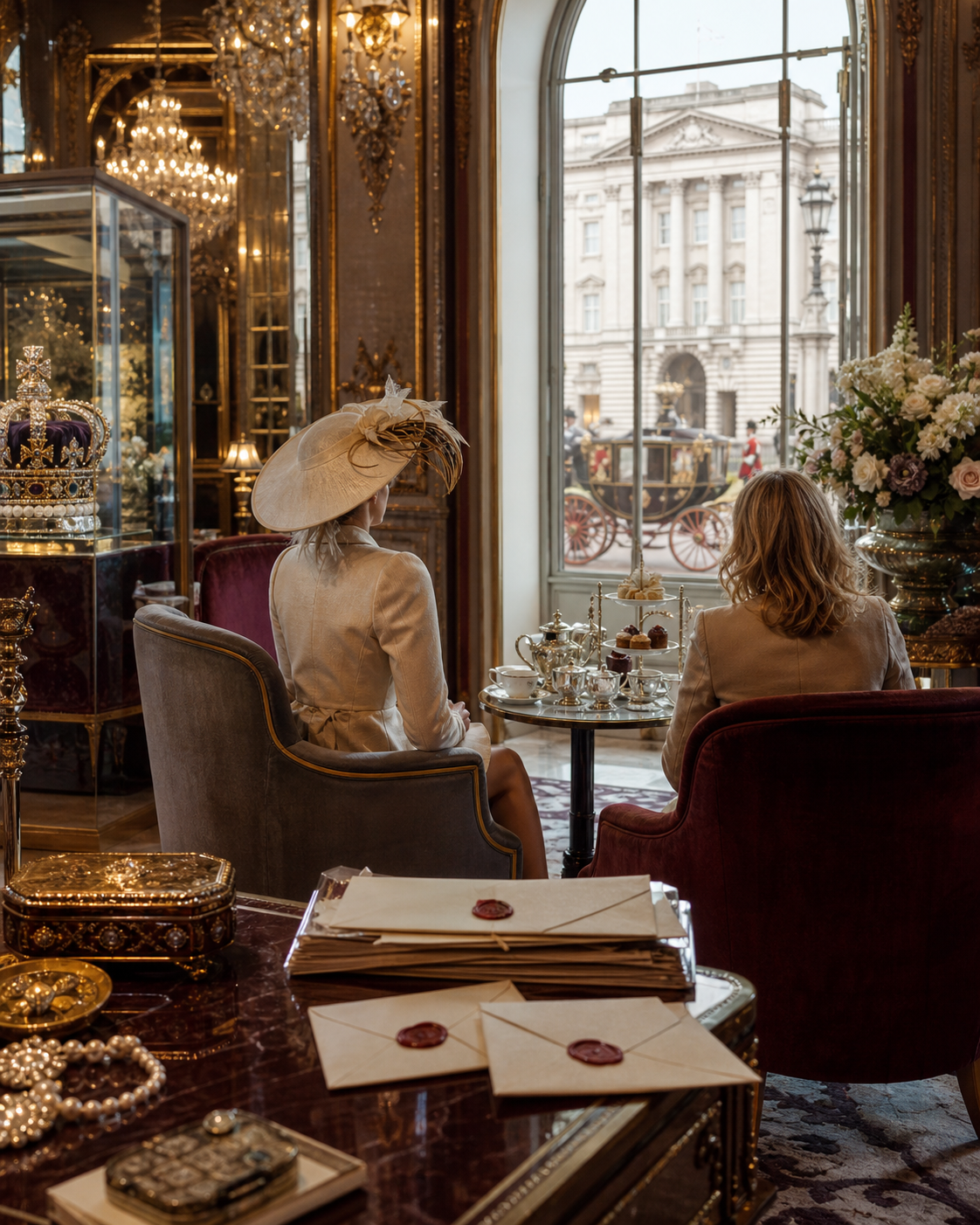
AMANDA PLATELL: Meghan apparently wanted to keep out of the limelight with her move back to Blighty... but her Claridge's tea with Nobel Prize winner Malala - wearing a £26,000 outfit - has none of us
If Meghan truly hoped her return to Britain would be low-key, someone forgot to tell Claridge’s. Because there are discreet arrivals, and then there is stepping out for one of London’s most watched afternoon teas in an outfit reportedly worth around £26,000, alongside Nobel Peace Prize winner Malala Yousafzai, and expecting the country not to stare. According to reports, the Duchess of Sussex was keen to keep out of the limelight after re-establishing herself on this side of the Atlantic. Yet in royal circles, a public appearance at one of the capital’s most glittering hotels was always going to send tongues wagging. Add Malala, a global figure admired across the political and celebrity spectrum, and the meeting instantly became the sort of image that dominates conversation. It is not difficult to see why eyebrows are being raised. Meghan has long projected a carefully curated blend of compassion, purpose and polished style, and this outing appeared to deliver all three in one perfect package. But for critics, the optics are impossible to ignore: an elite London setting, a rarefied guest list and a price-tag wardrobe at odds with any suggestion of seeking a quieter life. The setting matters, too. Claridge’s is not merely a hotel; it is practically a character in Britain’s social history, beloved by royals, statesmen and stars. To be seen there is to make a statement, however softly one might try to make it. And in Meghan’s case, every appearance is now filtered through years of bitter debate over privacy, profile and whether she ever really wanted one without the other. That is, of course, the familiar Sussex paradox. Ever since Meghan and Harry stepped back from official royal duties, there has been a running tension between their stated desire for space and the very public platforms they continue to inhabit. Supporters say they were never asking to disappear, only to control the terms of their visibility. Detractors, unsurprisingly, see something rather different. The Malala connection gives this latest outing an added layer. Few would dispute that meeting a Nobel laureate known for championing girls’ education and courage under pressure carries real substance. Fans believe Meghan’s appearance may signal a renewed interest in high-profile advocacy in Britain, perhaps a reminder that she still sees herself as a player on the global humanitarian stage, regardless of her fractured relationship with the Royal Family. Yet the fashion chatter has threatened to eclipse the purpose. In Britain, especially now, displays of lavish spending can land badly, and reports of a wardrobe costing more than many people earn in months have inevitably sharpened the criticism. For some, it feeds the idea that Meghan remains exquisitely alert to image, even when the message is meant to be one of modest engagement. There is also the wider royal backdrop. The House of Windsor has always understood symbolism better than almost anyone: where one appears, with whom, and wearing what are never just incidental details. Meghan learned that quickly during her brief royal life, and many observers suspect she knows exactly how a tea at Claridge’s with Malala would play in the British imagination. Still, others will argue this is unfairly cynical. Why shouldn’t two high-profile women meet in elegant surroundings and discuss serious issues? Why must Meghan be judged by a standard that turns every hemline, hotel doorway and social engagement into a constitutional crisis? In that reading, the fuss says more about Britain’s obsession with her than it does about anything she actually did. Even so, the central question lingers. If this was meant to be a chapter of retreat, it is a curious way to write it. Because whether the intention was influence, networking, soft diplomacy or simply tea with an admired figure, the result was the same: Meghan was back in the spotlight, and all eyes were on her. So was this a meaningful meeting unfairly overshadowed by sniping about clothes and status, or proof that Meghan’s idea of keeping a low profile is very different from everyone else’s?
10 Oct 2026